Written scope
What is removed, treated, and dried
Basement mold remediation in Lacey starts with finding the water source, not spraying bleach on the wall. Our crew handles basement mold removal Lacey WA homeowners call about after a wet winter, a failed sump, or a crawl space that never dried out. We test, contain, remove, and treat so the basement stays dry and the musty odor stays gone.
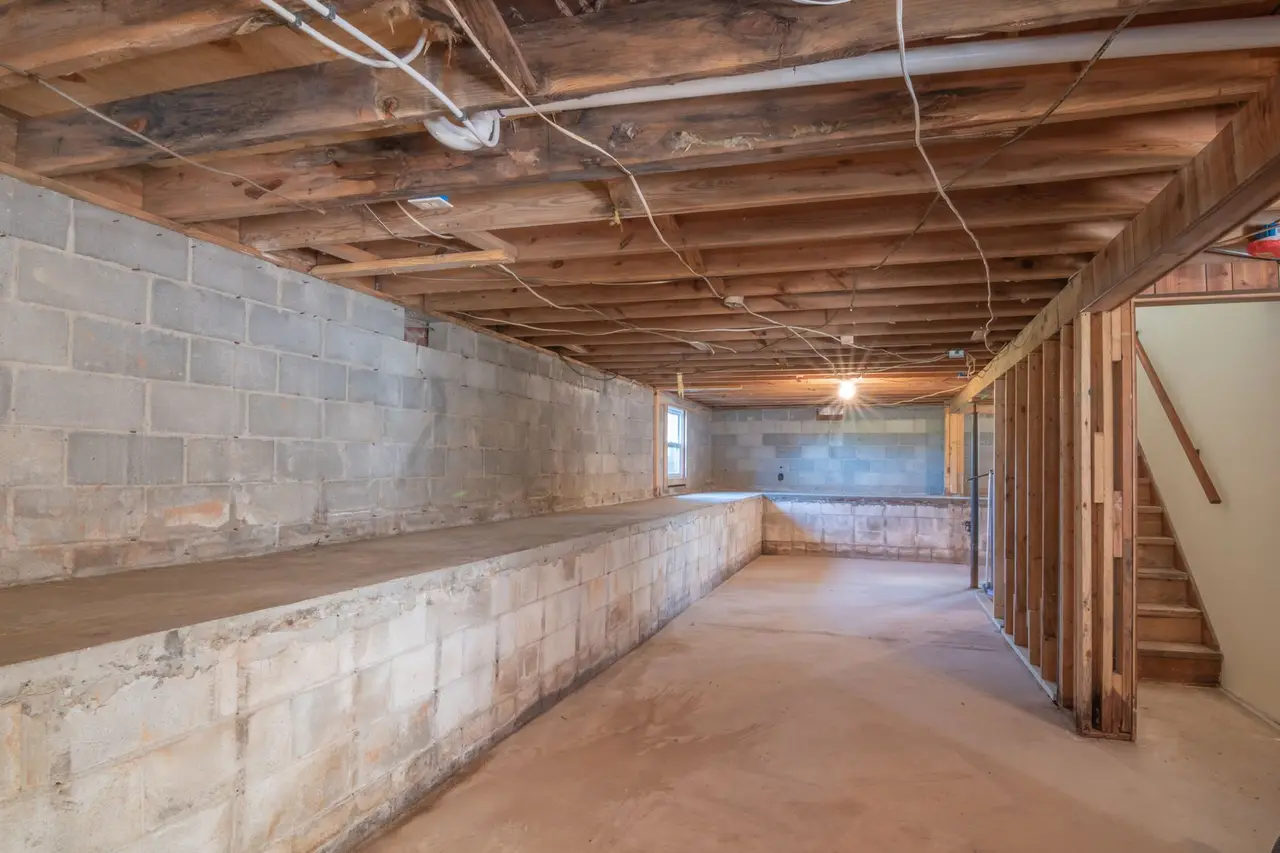
Every basement job starts with an inspection and a written scope. From there, the work is containment, removal, cleaning, treatment, and drying. We tell you what is included before we start, and if we find something the scope did not cover, we stop and show you before the price changes.
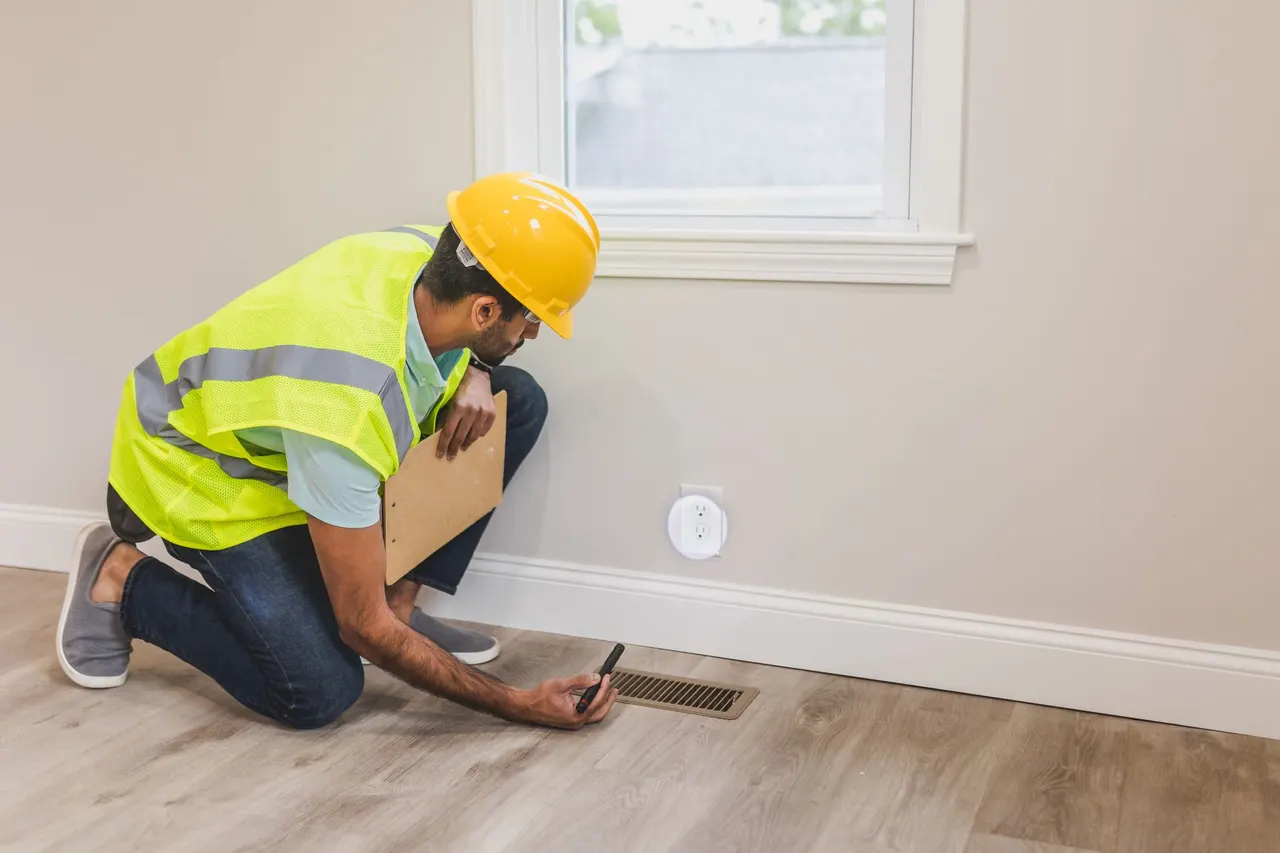
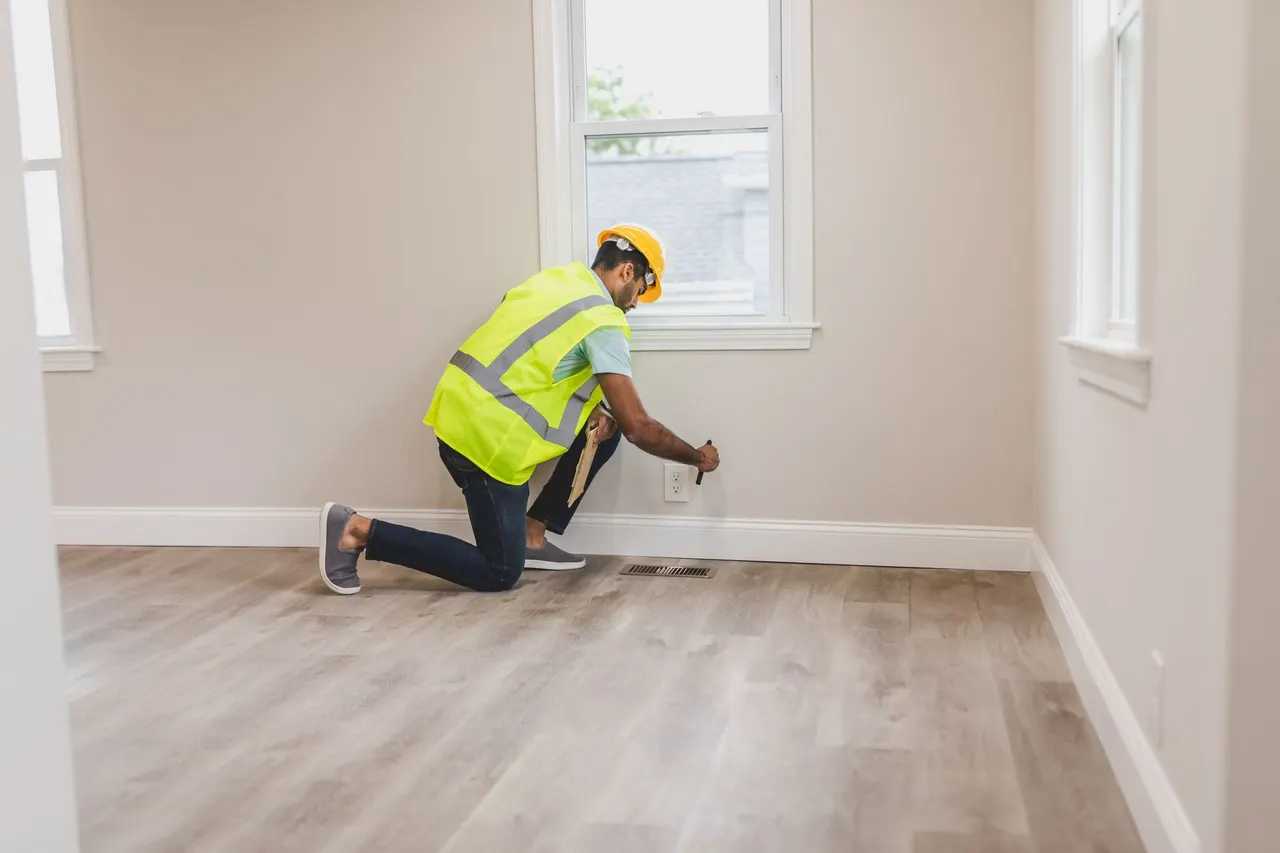
We handle basement mold for homeowners and tenants across Lacey. The work starts with finding the moisture source, then containing, removing, and drying the space.
We handle basement mold for property managers and small business owners in Lacey. The work is scheduled around your operating hours and documented for your records.
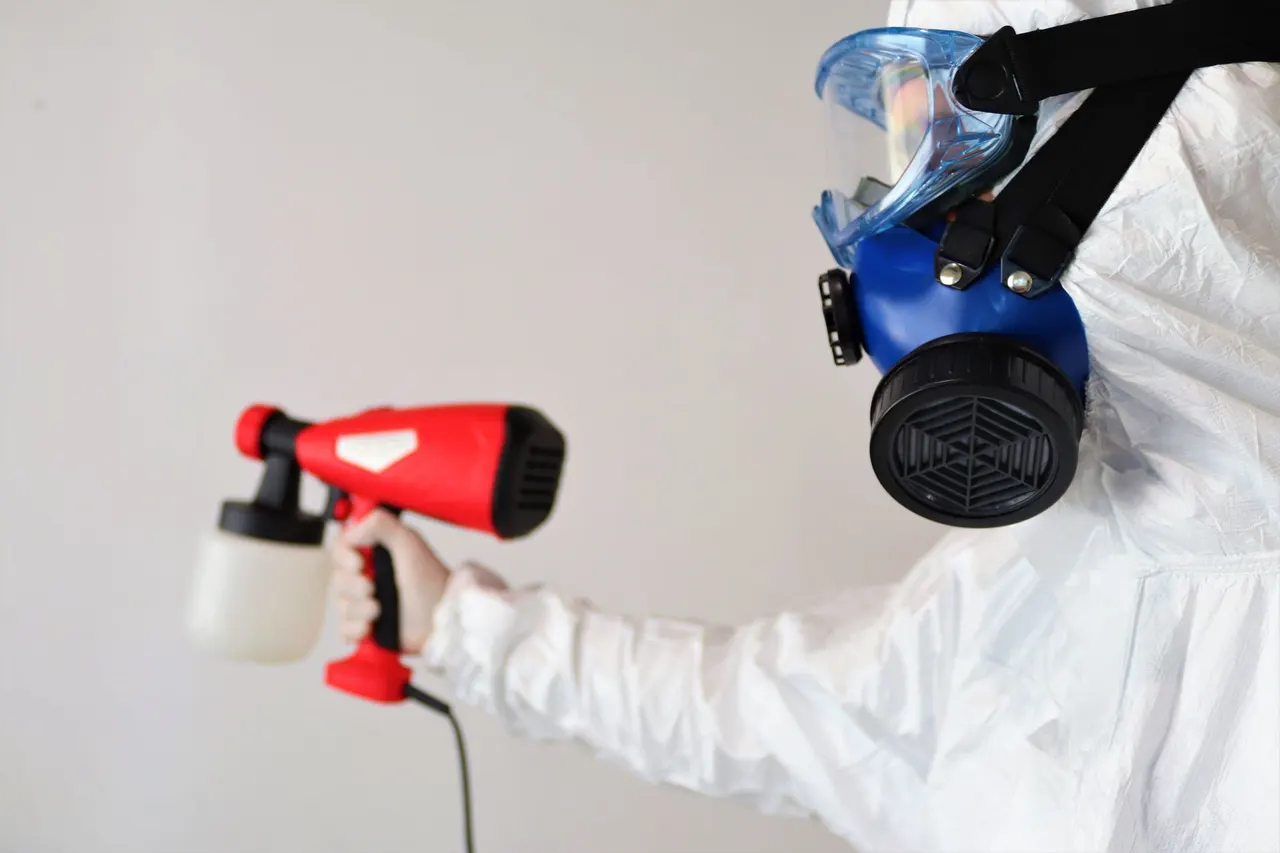
Basement mold remediation in Lacey is the process of containing mold growth, removing contaminated materials, drying the structure, and treating surfaces so spores cannot rebound. It is not a wipe-down. We set negative air pressure with a negative air machine, run HEPA filtration, and use a moisture meter and thermal imaging camera to find wet framing behind finished walls. Growth on joists, rim boards, and drywall gets removed, bagged, and hauled out, then the space is treated with an antimicrobial solution and dried with Dri-Eaz and Phoenix equipment.
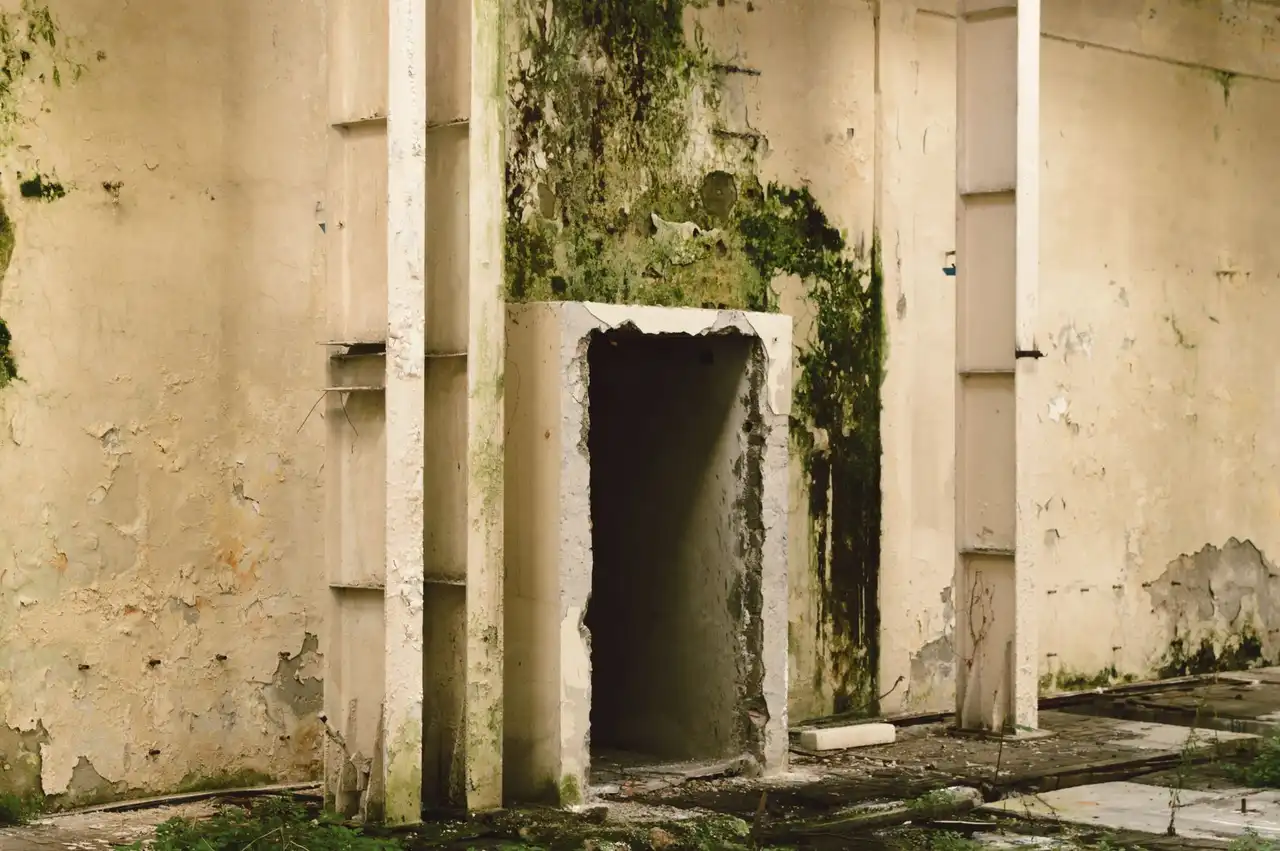
Lacey basements take on water in predictable ways. Thurston County's wet winters push groundwater against foundations, and older homes near Long Lake and Pattison Lake often have no vapor barrier under the slab. That trapped humidity feeds black mold and musty odors within 48 to 72 hours of a leak. If you have been searching for basement mold remediation in Lacey WA near me after a wet fall, the fix is drying the assembly and correcting the moisture path, not painting over the stain.
Dry the basement first, then remove the mold, so it does not come back.
Five steps, from the first call to the final clearance check. You will know what is happening each day and what it costs before we start.
We walk the basement, check humidity and moisture readings, and use a thermal imaging camera and boroscope to find wet or hidden areas. Air and surface samples go to a lab when the scope is unclear. This usually takes 60 to 90 minutes and tells us whether you need full remediation or targeted treatment.
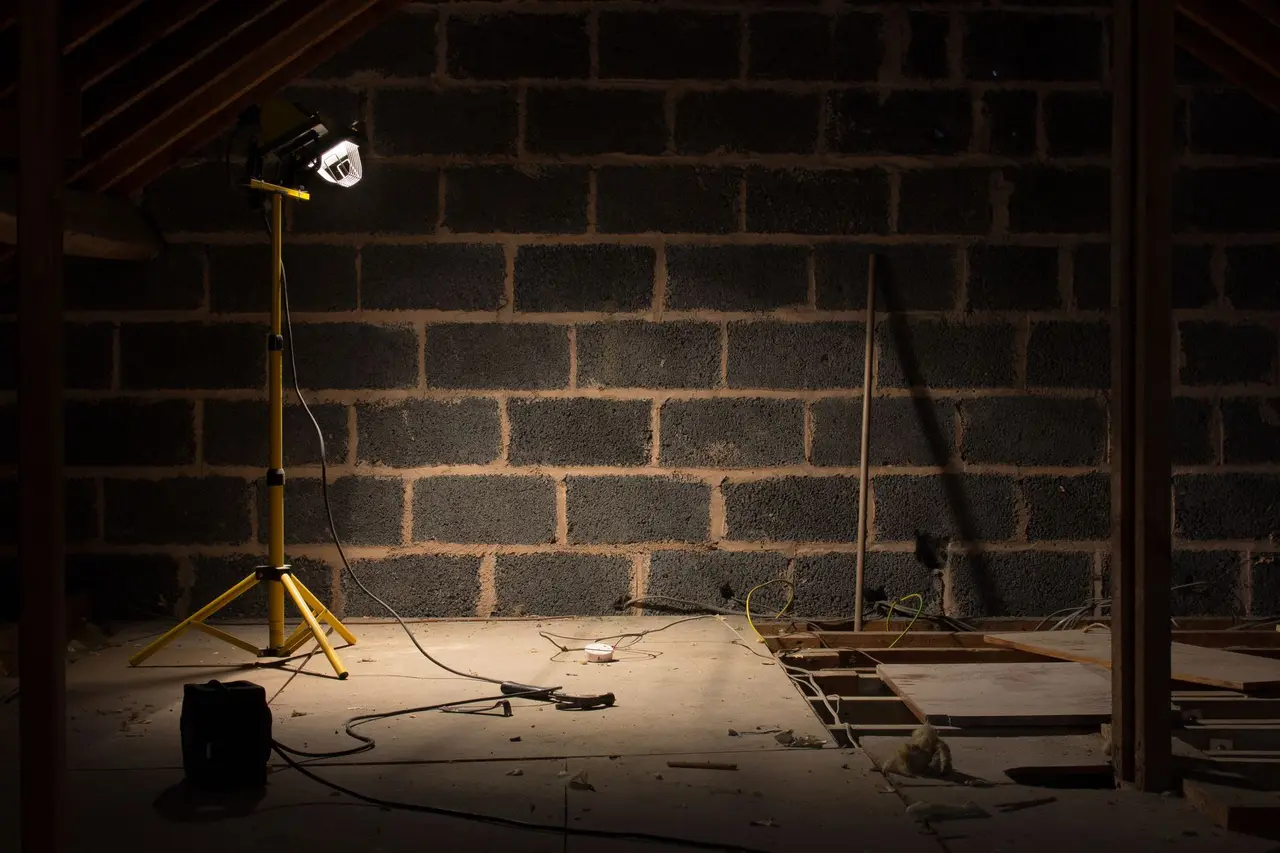
We seal doorways and vents with plastic and set a negative air machine so spores cannot drift upstairs. Personal protective equipment goes on, and we lay down floor protection. Containment is what keeps a basement job from turning into a whole-house cleaning job.
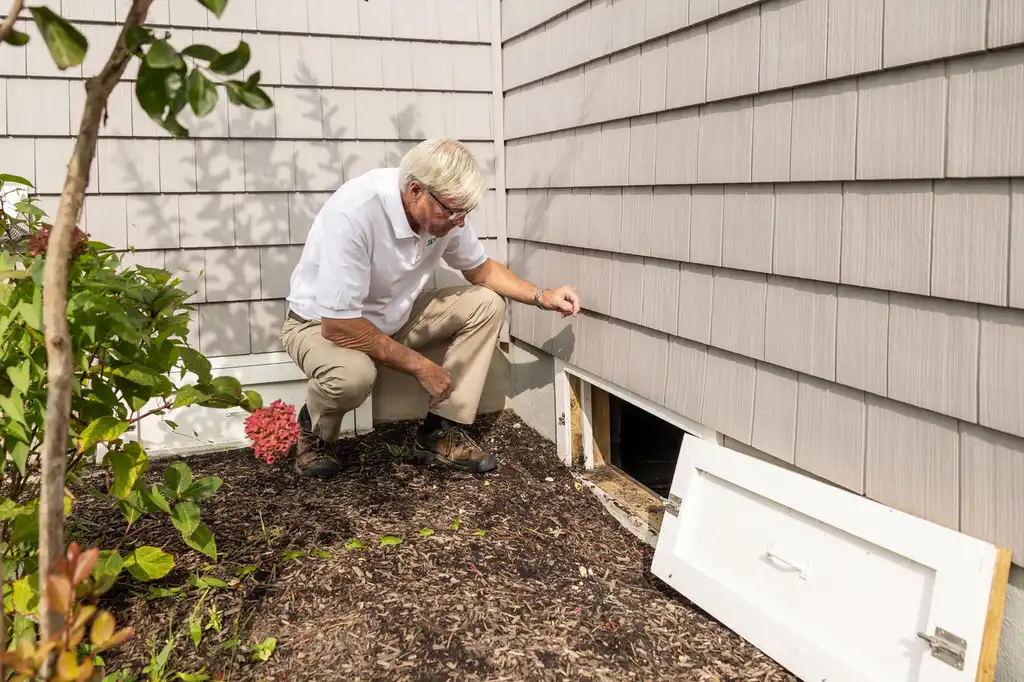
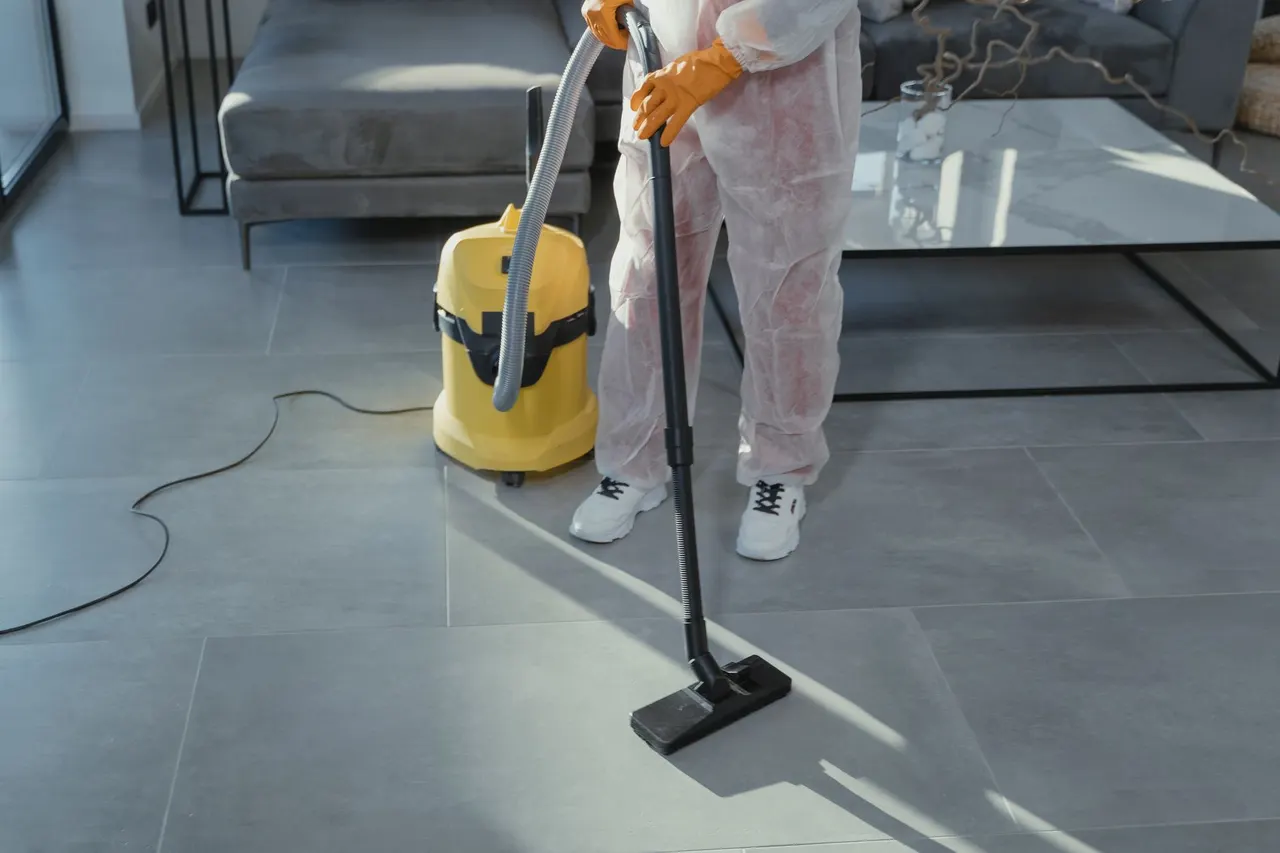
Contaminated drywall, insulation, and porous materials come out, get bagged, and are hauled away. Framing and concrete get HEPA vacuumed and scrubbed. We use Fiberlock and Concrobium products where the surface calls for them, and RMR-86 on heavy staining. This is the dustiest day, and containment keeps it contained.

We apply an antimicrobial solution to the cleaned surfaces, then run dehumidifiers and air movers until the moisture meter shows the assembly is dry. On a typical Lacey basement that is 3 to 5 days of drying. We check readings daily and adjust equipment as the numbers change.
A final visual inspection and moisture check confirms the basement is dry and clean. We walk you through what caused the moisture, what we would fix next, and how to keep humidity under 50%. You leave with photos and a written record of the work.
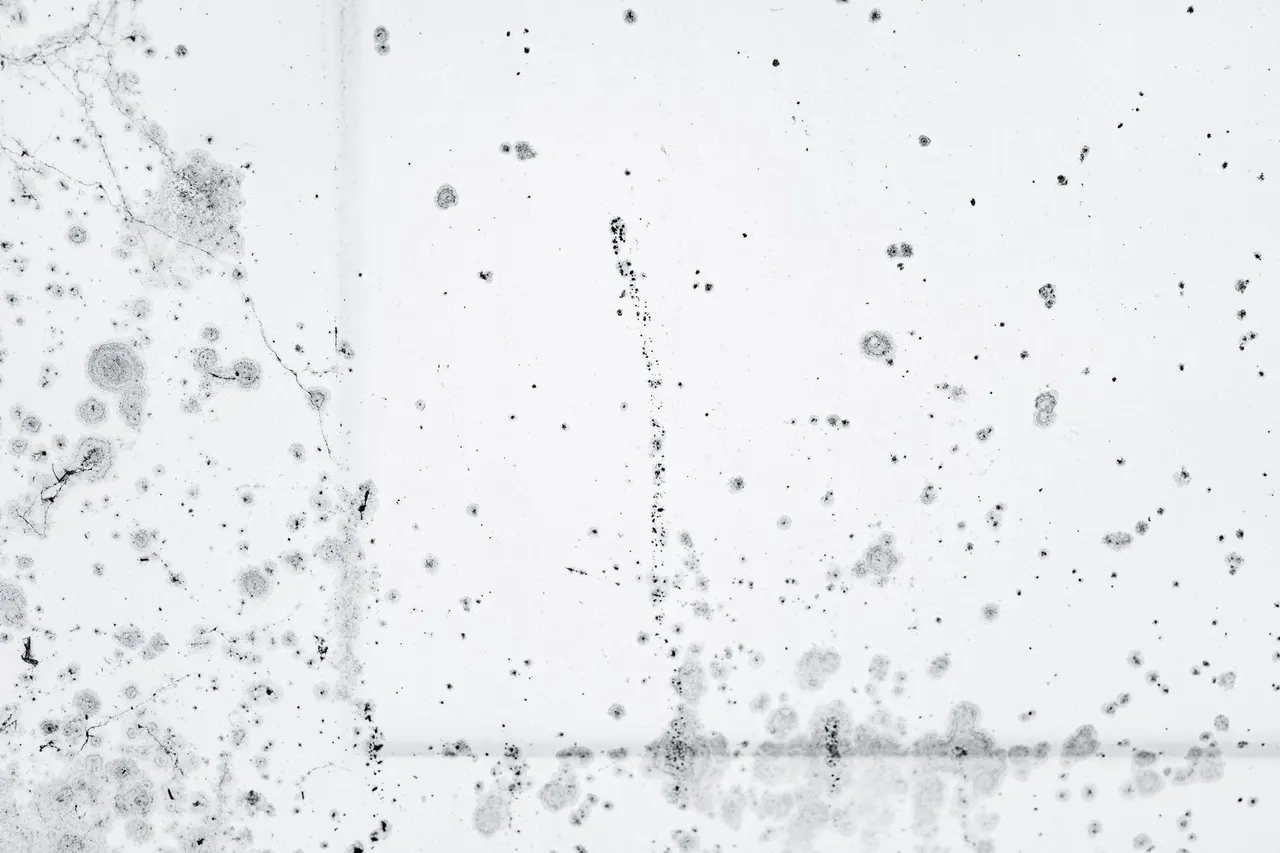
Keeps the basement under negative pressure and filters airborne spores through HEPA filters so they do not spread to the rest of the house.
Pulls spores out of porous surfaces and crevices instead of pushing them into the air. Used on framing, concrete, and after removal.
Finds wet framing and hidden moisture behind walls without tearing the basement apart. Readings are documented daily during drying.
Lets us look inside wall cavities and under stairs to confirm hidden mold before we open anything up.
Dries the assembly after removal and treatment. We use Dri-Eaz and Phoenix equipment and run it until the moisture meter reads dry.
Concrobium, Benefect, and RMR-86 are matched to the surface to knock down remaining spores and heavy staining after cleaning.
The industry standard we follow for containment, removal, cleaning, and drying. It is why we set negative air pressure before disturbing material and why we document moisture readings throughout the job.
Sealing doorways and vents and setting negative air pressure before any removal keeps spores from spreading. On a basement job, this is what protects the living space above.
We respond 24/7, extract the water, set containment and drying equipment, and check the framing with a moisture meter. If mold has already started, we remove the affected material and treat the surfaces. Drying starts the same night, which keeps the mold scope small and saves the cost of removing a finished basement.
We inspect with a thermal camera and boroscope, test the growth, contain the area, HEPA vacuum and scrub the joists, and apply an antimicrobial treatment. Drying equipment runs until the wood is under 16% moisture. The odor is gone, the joists are clean and dry, and the homeowner has photos and readings for their records.
We test the growth, remove the contaminated material, treat the framing, and provide a written report with photos and moisture readings that the buyer and lender can review. The documentation answers the buyer's question, and the sale closes without a renegotiation over mold.
We cut out the wet carpet and pad, remove the wet drywall, HEPA vacuum the concrete, treat the framing, and dry the assembly for four days with dehumidifiers and air movers. The basement is dry and clean, and the homeowner knows which materials to replace and how to keep the space dry.
Lacey basements are wet for reasons that show up on a schedule. Fall and winter rain pushes groundwater against foundations, and homes near Long Lake, Pattison Lake, and Hicks Lake sit on soils that hold water. Older basements often have no vapor barrier under the slab, so humidity stays high even when there is no visible leak. We see the same pattern in Central Lacey and Tanglewilde: a musty smell in November, dark staining on joists by January, and a homeowner searching for a Lacey basement mold remediation company by February. Our job is to dry the assembly and fix the moisture path, not just clean the visible growth. That means containment, HEPA filtration, removal of contaminated material, antimicrobial treatment, and daily moisture readings until the framing is under 16% moisture content. We also check crawl spaces, because a crawl space without a vapor barrier keeps feeding the basement all year. If you need 24/7 basement mold remediation Lacey WA response after a storm or a failed sump, call 360-995-0233 and we will get drying equipment on site.
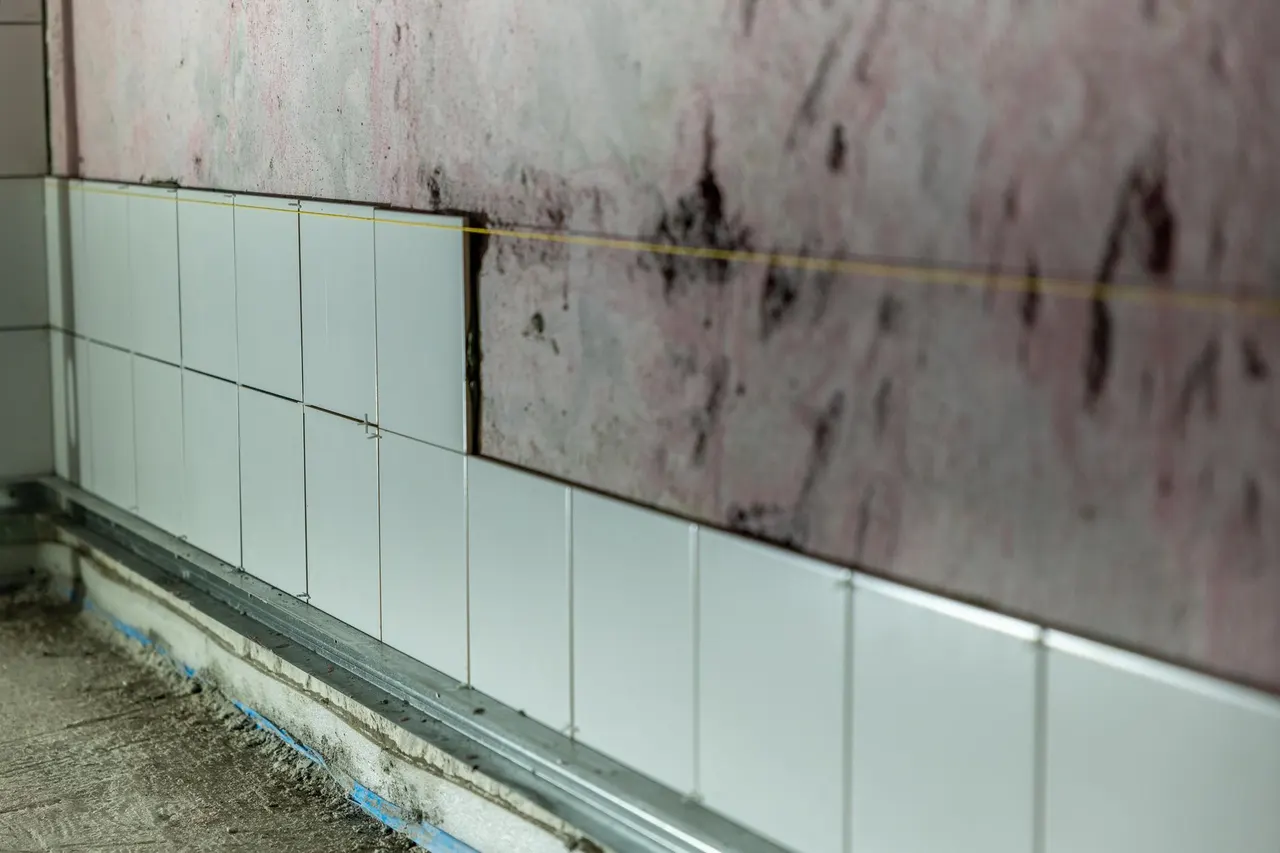
A supply line leak soaked the carpet and the bottom 18 inches of drywall. The basement smelled musty within three days, and the homeowner could see dark staining along the baseboard.
We removed the wet carpet, pad, and drywall, HEPA vacuumed the concrete, treated the framing, and dried the assembly for four days. Moisture readings dropped from 28% to under 12% in the framing.
Keep the sump pump tested each fall and watch for condensation on the concrete. A dehumidifier set to 50% keeps the space dry between seasons.
A homeowner noticed a musty smell and dark growth on the basement joists after a wet spring. The basement had no vapor barrier and humidity stayed above 60% most of the year.
We contained the area, HEPA vacuumed and scrubbed the joists, applied an antimicrobial treatment, and dried the space. Lab testing confirmed the growth, and the joists tested under 14% moisture at clearance.
Install a vapor barrier over the bare concrete and run a dehumidifier through the wet months. Check the joists with a moisture meter each fall.
A Central Lacey home had a musty basement every winter. The crawl space had no vapor barrier, and the joists above it showed surface growth that kept coming back after cleaning.
We treated the crawl space growth, installed a vapor barrier, and dried the basement framing. The basement humidity dropped from 65% to 48%, and the odor cleared within a week.
Keep the crawl space vents clear and check the vapor barrier each year. A small dehumidifier in the basement keeps humidity in range during the wet season.
Most basement mold calls come down to a moisture source that was never fixed. Here are the problems we see most often and how we handle them.
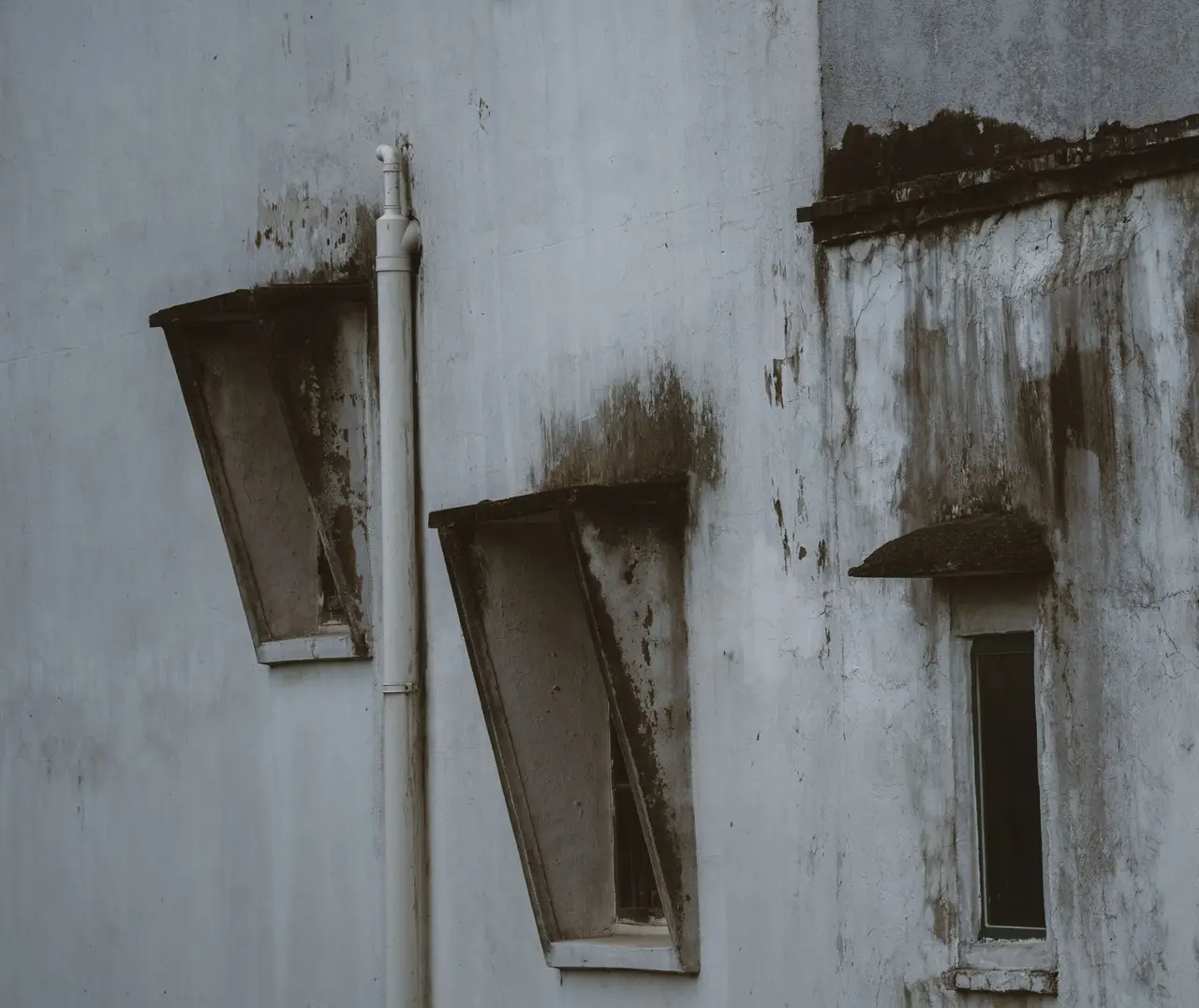
We find the moisture source with a moisture meter and thermal camera, remove the growth, treat the surfaces, and dry the assembly. Then we tell you what to fix so the humidity stays under 50% and the odor does not return next winter. The smell means spores are still active, and it spreads into the living space above. Ignoring it usually means more material gets contaminated and the scope grows.
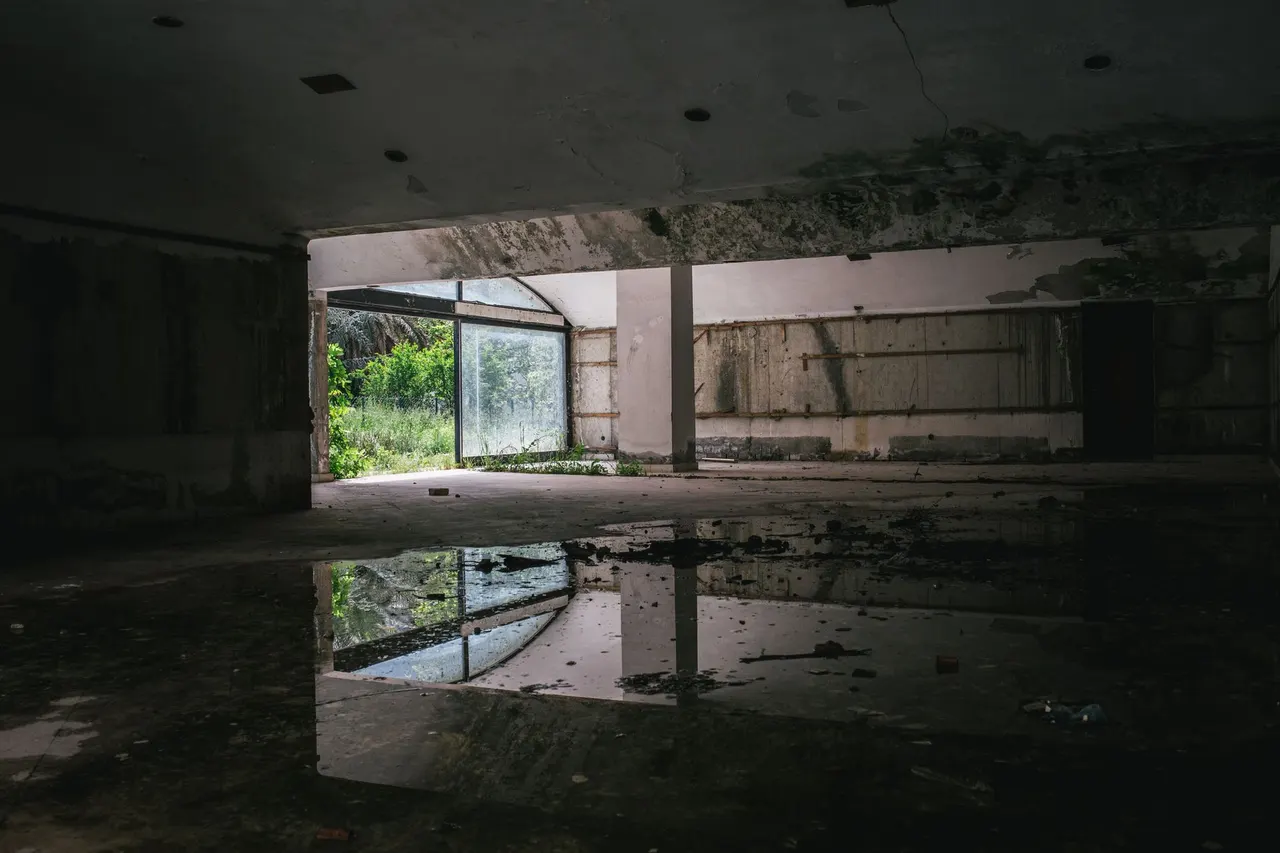
We contain the area, HEPA vacuum and scrub the wood, and apply an antimicrobial treatment. Lab testing confirms the species when needed, and we document the readings and photos so you have a record of the work. Black mold on structural wood can spread along the joists and into the floor above. Left alone, it can affect indoor air quality on the main floor and complicate a future sale.
A boroscope lets us look inside the cavity before we cut. If growth is there, we remove the wet drywall and insulation, treat the framing, dry it, and leave the wall open until the moisture meter reads dry so it can be closed correctly. Hidden mold behind walls keeps feeding the musty smell and can rot framing without any visible sign. It is usually found only when someone opens the wall or uses a boroscope.
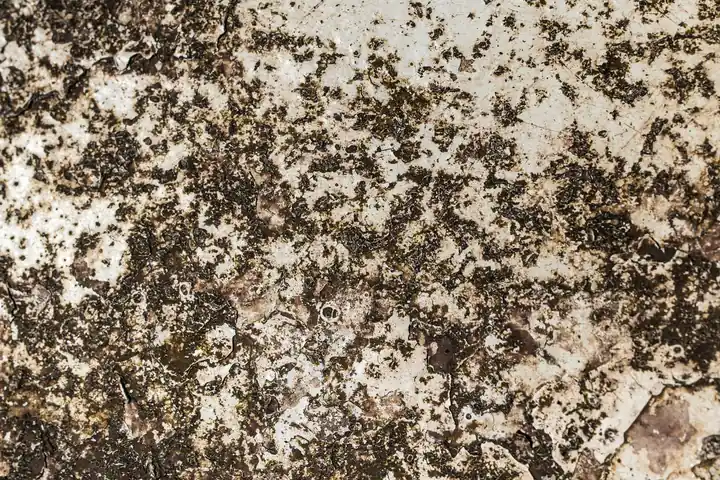
We treat the crawl space growth, install a vapor barrier, and check the ventilation path. Sealing the moisture source at the crawl space is often what finally stops the basement mold from coming back. A crawl space without a vapor barrier pushes humidity into the basement all year. That condensation feeds mold on cold surfaces and keeps the basement from ever fully drying.
A HEPA vacuum and air scrubber pull spores out of the air instead of spreading them through the house. Most Lacey jobs show a visible drop in airborne dust and musty odor within the first day of containment, and the basement stops smelling like a wet basement.
We dry framing to under 16% moisture content before closing anything up. A dehumidifier and air movers run until the moisture meter reads dry, which usually takes 3 to 5 days on a wet concrete or framed basement. Skipping that step is why mold returns.
Realtors and buyers in Thurston County want documentation. You get photos, moisture readings, and a written scope showing what was removed and treated, which is exactly what a lender or buyer asks for when a basement mold question comes up during a sale.
A boroscope lets us look inside wall cavities and under stairs without tearing the basement apart. That is how we catch hidden mold behind walls before it spreads into the living space above, and it is why our remediation scope is based on what is actually there.
Typical 2026 pricing in Lacey runs $1,500 to $6,500 for basement mold remediation, depending on square footage, how much material has to come out, and how wet the framing is. A small area of surface growth on concrete sits near the low end. A finished basement with wet drywall, insulation, and carpet pushes toward the high end. We quote the scope before we start, and if we find more behind a wall, we stop and show you before the price changes. Testing and drying are part of the scope, not add-ons.
What your estimate is based on
$1,500 - $6,500 depending on scope The price covers containment, removal, HEPA cleaning, antimicrobial treatment, and drying to a documented moisture target. That is what keeps the mold from coming back, which is cheaper than doing the job twice.
Clear records you can keep and share.
What is removed, treated, and dried
Daily readings until the framing is dry
Before, during, and after the work
Mold needs moisture, and a basement with a water source will keep growing it. Cleaning the visible growth without fixing the water path is why mold returns.
Find the water source before removing growth. If the source stays, the mold comes back.
Drywall, insulation, and carpet cannot be cleaned once mold grows into them. They have to be removed.
Framing is dry when a moisture meter reads under 16%. A visual check is not enough.
Outside these areas? Call and ask, we may still cover your street. 3609950233
Most basement mold remediation jobs in Lacey run $1,500 to $6,500 in 2026, depending on square footage and how much material has to come out. A small area with surface growth on concrete can land near the low end. A finished basement with wet drywall and insulation pushes toward the high end. Testing, containment, removal, treatment, and drying are included in the scope we quote.
Groundwater, roof runoff, and high indoor humidity are the three main causes in Lacey. Thurston County's wet winters push water against foundations, and basements without a vapor barrier trap moisture. A downspout that dumps next to the wall or a crawl space with no vapor barrier keeps humidity high all year. Mold needs 48 to 72 hours of moisture to start growing, so the water source is the real target.
Sometimes, yes. Surface mold on concrete, joists, and block walls can be HEPA vacuumed, scrubbed, and treated without tearing anything out. But mold that has grown into drywall, insulation, or carpet has to be removed, because those materials cannot be cleaned. We use a boroscope and moisture meter to see what is behind the wall before we decide, so you are not paying for demolition you do not need.
A typical Lacey basement takes 3 to 7 days from containment to clearance. Removal and cleaning usually take 1 to 3 days, and drying adds 3 to 5 days depending on how wet the framing is. If the basement is finished and the scope is larger, plan on a full week. We give you a day-by-day schedule before we start so you can plan around it.
If your basement smells musty or you have seen growth on the walls, call 360-995-0233. We will inspect, explain what we found, and give you a written scope before any work starts. Local crew, real answers, no call center.
Call 360-995-0233 or email info@laceymoldpros.com to book an inspection. We answer the phone during business hours and return after-hours messages first thing the next morning. Most inspections get scheduled within one business day, and we serve all of Lacey and the surrounding Thurston County area.