Written scope
What comes out and what stays
Emergency mold remediation in Lacey is the fast-response service that stops active mold from spreading through your home or business. When you call Lacey Mold Pros, we roll a crew with HEPA vacuums, air scrubbers, and moisture meters, contain the affected rooms, and start drying the same day. If you need 24/7 mold removal Lacey WA homeowners can reach at any hour, we answer the phone and get moving.

Every emergency job starts with containment, moisture measurement, and removal of affected material, then drying and a final check. We tell you upfront what is part of the emergency response and what becomes a separate repair, such as new drywall or paint, so there are no surprises.


Homes in Lacey deal with crawl space damp, roof leaks, and supply line failures that soak walls fast. We contain the area, remove affected material, and dry the framing until moisture readings return to normal.
Offices, rentals, and retail spaces need mold work that does not shut the doors for a week. We contain the affected suite, work around tenants, and document the job for the property owner.
Emergency mold remediation in Lacey is the urgent removal of active mold growth and the moisture source feeding it, done under containment so spores do not spread to clean rooms. Our technicians set up negative air machines and HEPA filters, pull moisture readings with a thermal imaging camera, and remove porous materials that cannot be saved. We treat structural framing with an antimicrobial solution, then dry the cavity with Dri-Eaz dehumidifiers and air movers until moisture content returns to normal.
Most Lacey calls start with a slow leak, a failed supply line, or a crawl space that never dried out after a wet winter. Thurston County humidity and tight building envelopes keep wall cavities damp long after the visible puddle is gone. That is why we treat every call as a same-day mold remediation Lacey WA job, not a next-week estimate. If you have found growth behind drywall or smelled a musty odor in a closed room, call before the weekend.
Contain the spores first, then remove the moisture source, then dry to a measured target.
From the first phone call to the final clearance check, here is what you can expect when you book emergency mold remediation in Lacey with our team.
You call and describe what you see or smell. We ask about the water source, how long it has been wet, and the size of the area. A technician is dispatched with an ETA, usually within a few hours for Lacey addresses. If the source is still leaking, we tell you how to shut it off before we arrive.

On arrival we walk the space with a moisture meter and thermal imaging camera. We check behind baseboards and inside wall cavities with a boroscope where needed. You get a clear picture of what is wet, what is moldy, and what can be saved before any demolition starts.

We set up negative air machines and HEPA filters, then remove affected drywall, insulation, or trim. Porous materials go into sealed bags. Structural wood is HEPA-vacuumed and treated with an antimicrobial solution. This stage usually takes two to six hours depending on square footage.
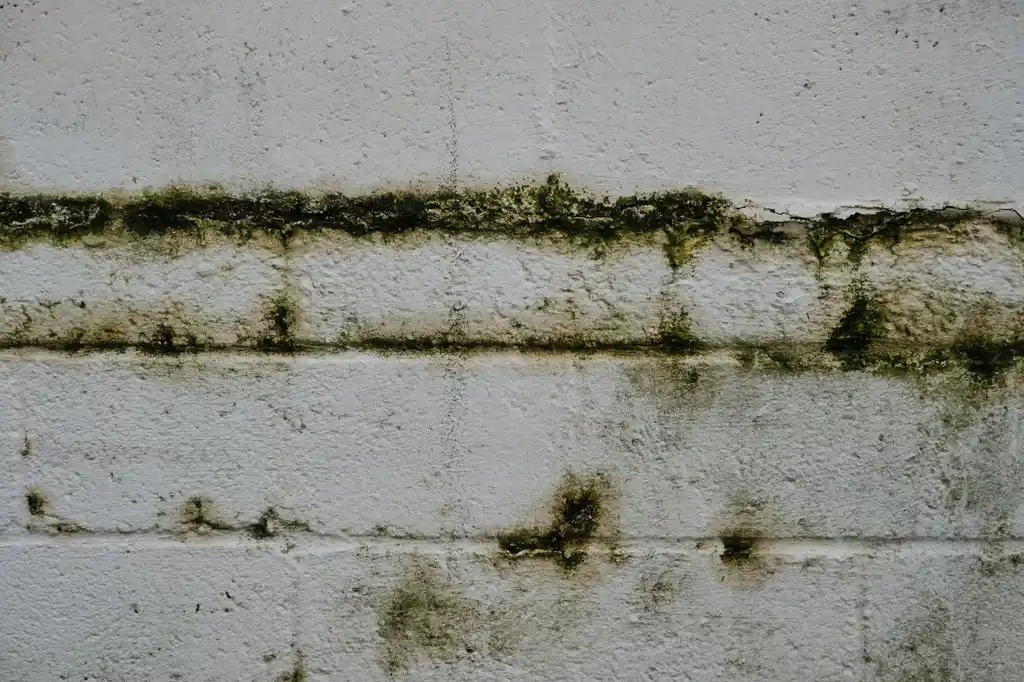
Dri-Eaz dehumidifiers and air movers run until moisture readings return to normal, typically three to four days. We check readings daily and adjust equipment. You get the drying log at the end, which shows the before and after numbers for each affected area.
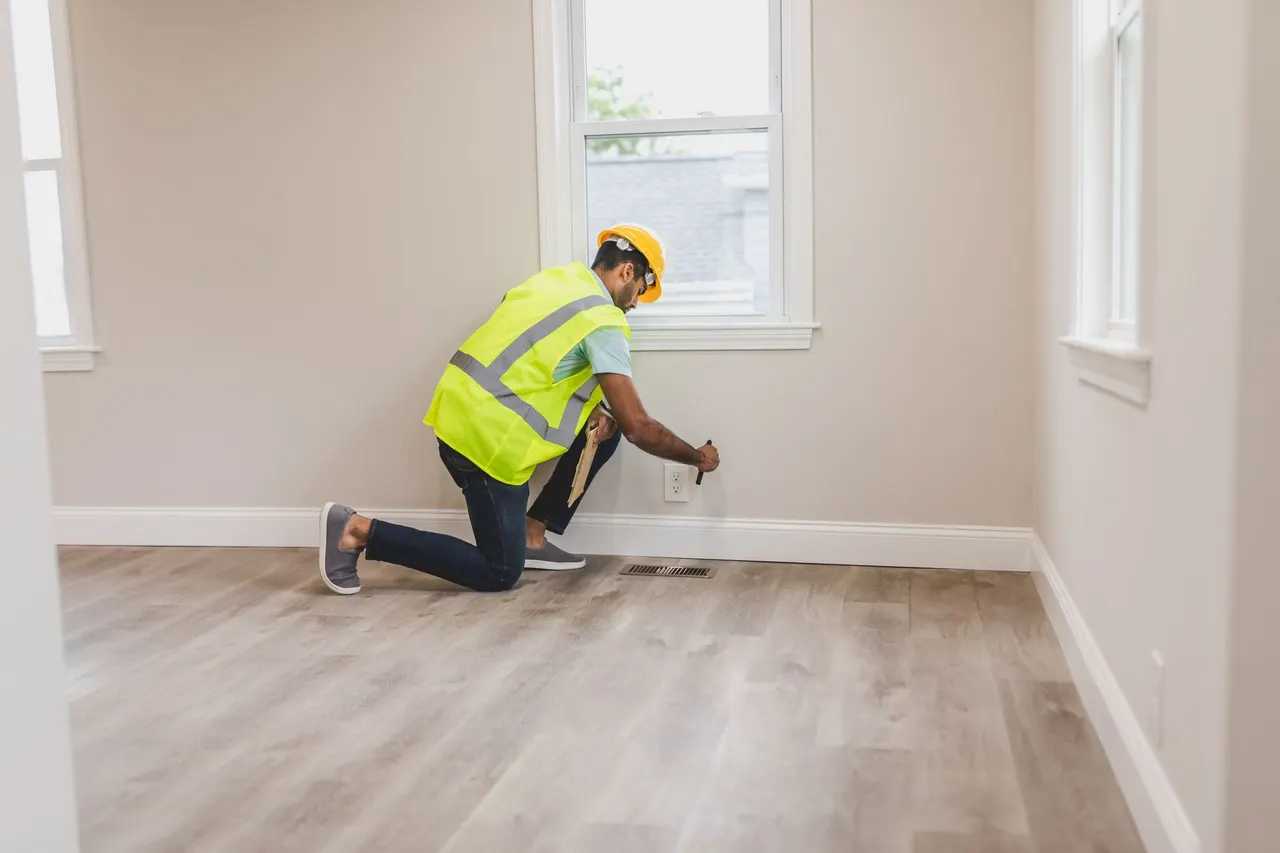
A final visual inspection and moisture check confirm the area is dry and clean. We walk you through what was removed and what repairs remain, such as new drywall or paint. If you are filing a claim, we provide photos and the drying record for your adjuster.
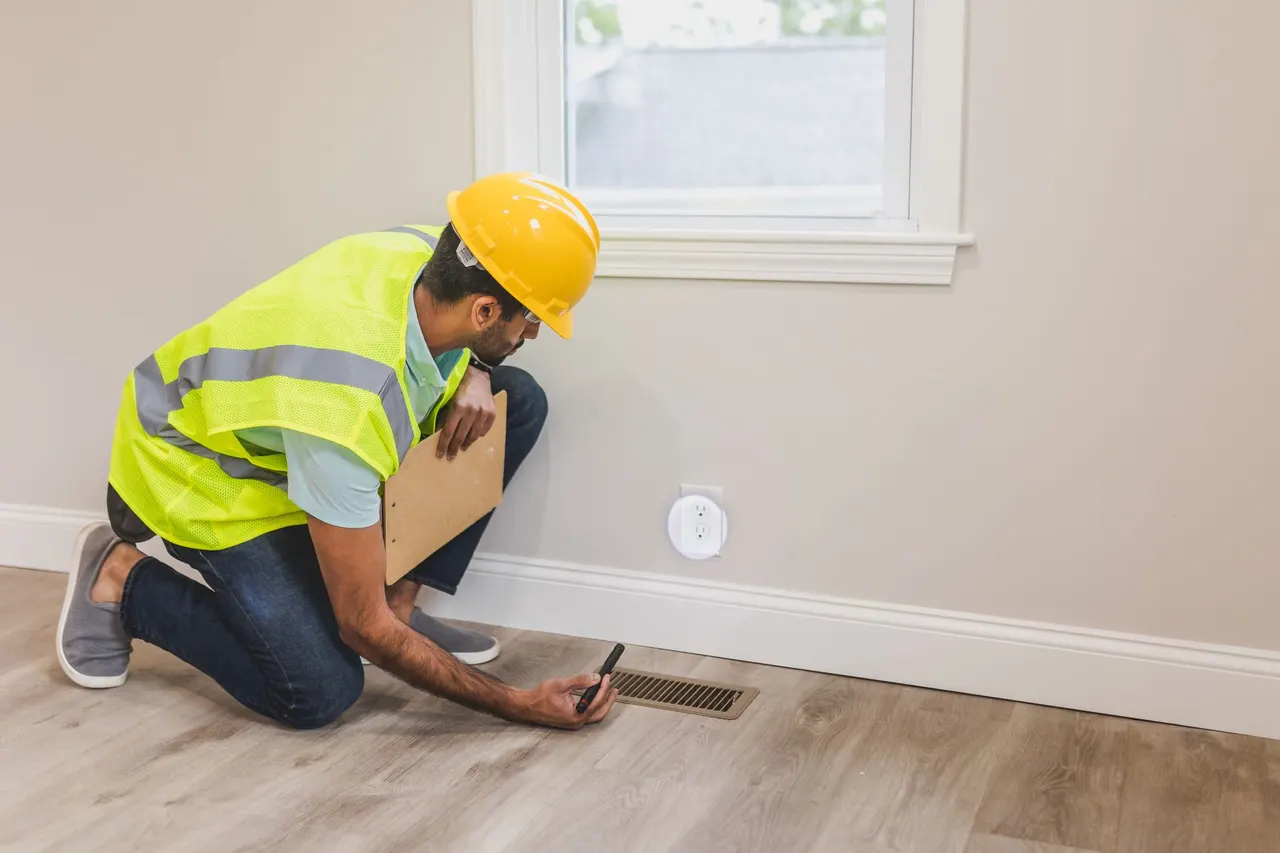
Creates negative pressure in the work zone and filters airborne spores through HEPA filters. Keeps contamination from drifting into clean rooms.
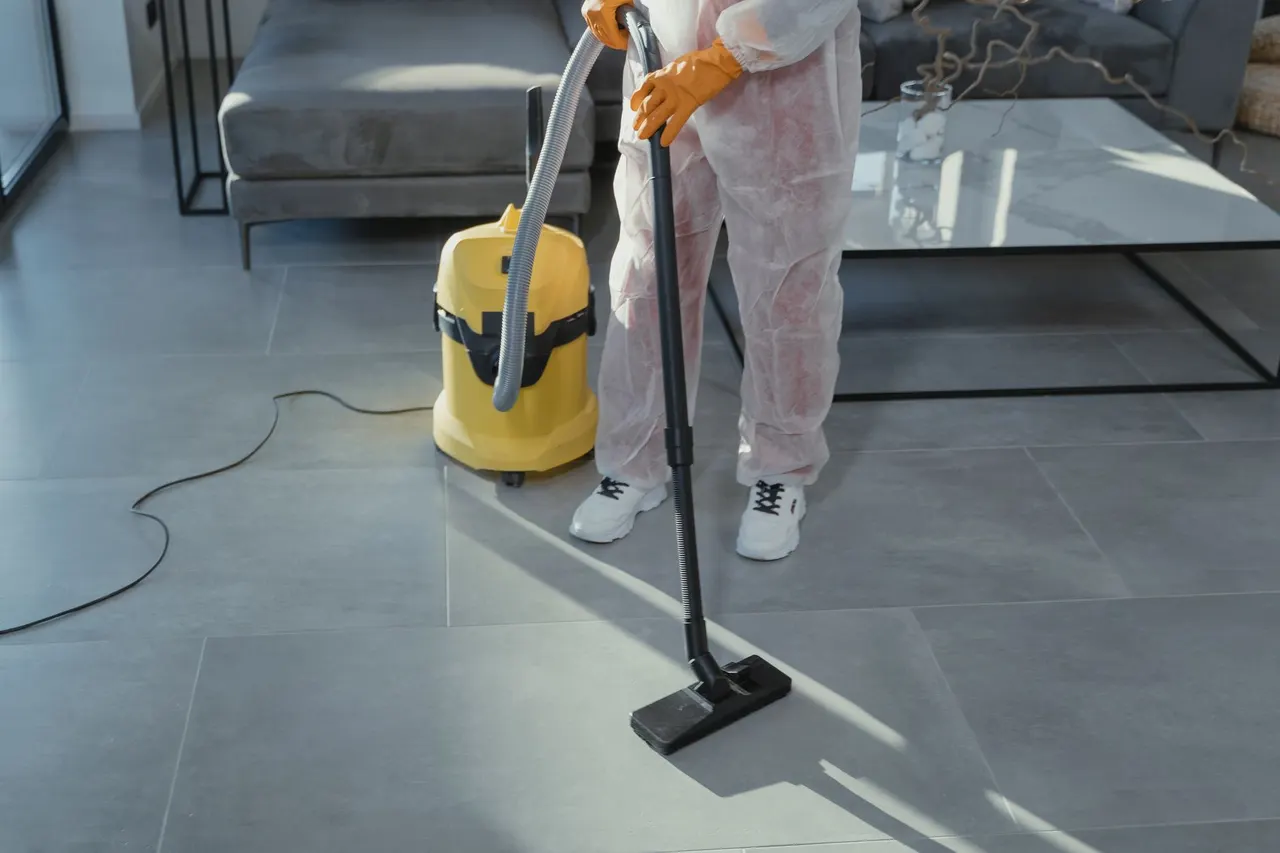
Removes settled spores from framing, surfaces, and debris before treatment. Used after demolition and again before containment comes down.
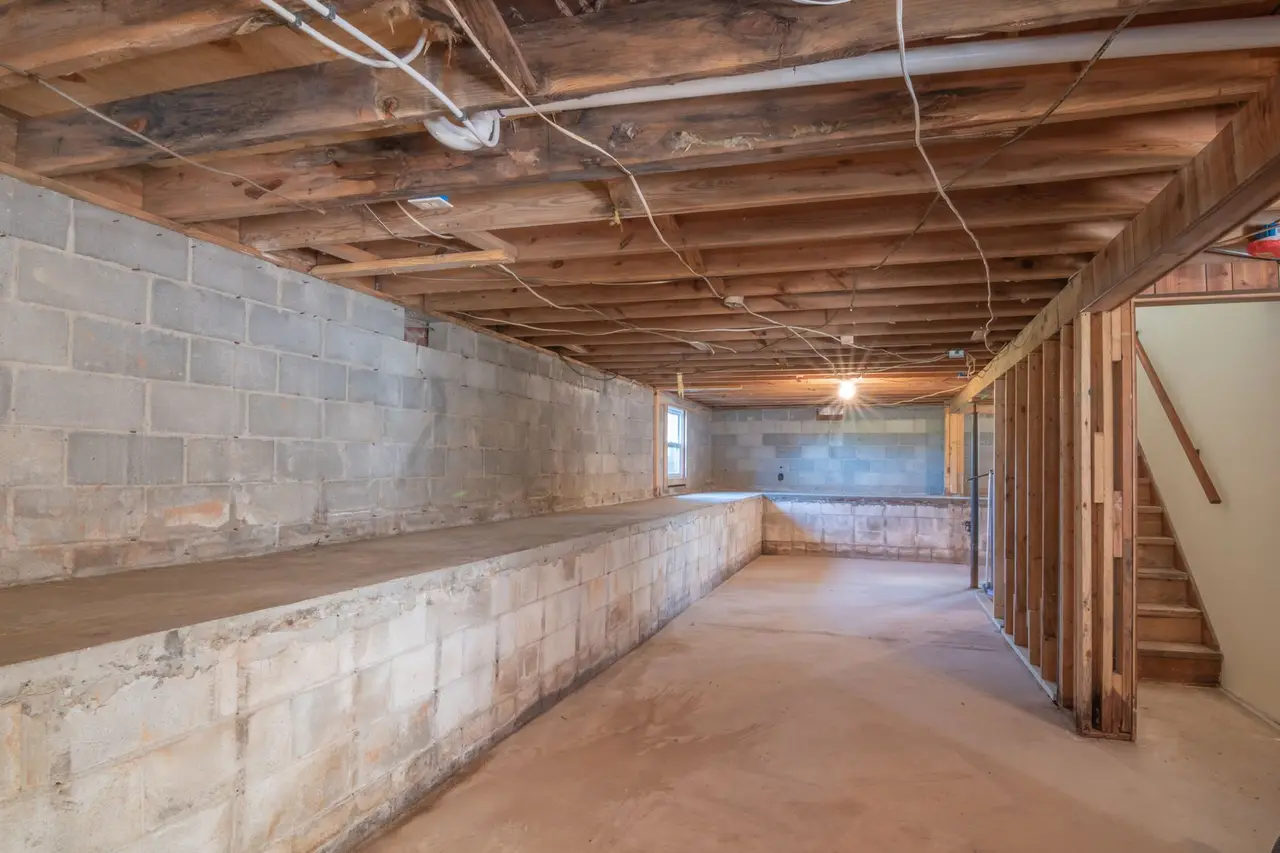
Finds wet framing and hidden growth behind drywall without cutting. Readings are recorded before and after drying.
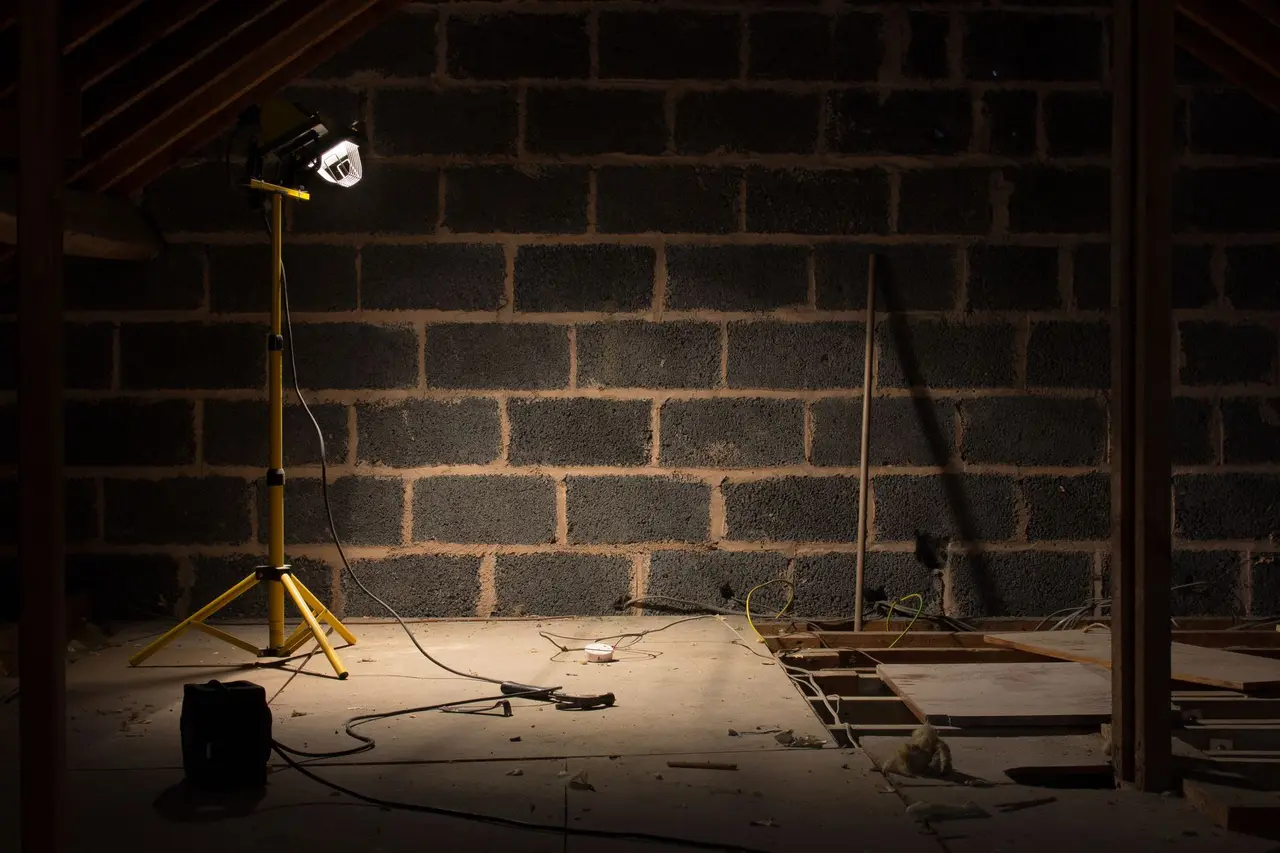
Lets us look inside wall cavities and behind cabinets to confirm growth before demolition. Saves material when the mold is limited to one area.
Pulls moisture from framing and air, and keeps air moving across wet surfaces. Runs until moisture readings return to normal.
Treats framing after removal and seals clean surfaces where needed. Used with personal protective equipment on every job.

We set containment and negative air pressure before demolition, then verify the work zone stays under negative pressure until the final cleaning pass. This is the standard that keeps spores out of the rest of the house.

Every affected area is mapped with a moisture meter and thermal camera before we cut. That tells us where the wet boundary is and keeps removal limited to material that is actually affected.
We contain the room, remove wet drywall and insulation, and start drying with dehumidifiers and air movers. A moisture meter check confirms when the cavity is dry. Drying is usually complete in three to four days, and you have a record for your insurance claim.
We inspect with a thermal camera, find the moisture source, contain the bathroom, and remove affected drywall and caulk. Framing is treated and dried. The odor is gone, the affected material is out, and you know what repair work remains.
We remove mold from the framing, HEPA-vacuum and treat the wood, and replace the failed barrier. Drying equipment runs until joist readings return to normal. The crawl space is dry, the mold is removed, and the floor above no longer smells musty.
We work after hours to contain the suite, remove affected ceiling tile and drywall, and dry the cavity. Photos and a drying log go to the property manager. The suite is ready for tenant use again, and the owner has documentation for the claim.
Lacey sits in Thurston County with wet winters, tight building envelopes, and a lot of crawl space construction, which is why crawl space mold is our most common emergency call. Homes around Long Lake and Pattison Lake deal with higher humidity, and older neighborhoods near Central Lacey have vapor barriers that were installed decades ago and have since failed. When you call for emergency mold cleanup Lacey homeowners need fast, we check the crawl space and the attic, not just the room where you see growth. Roof leaks after a windstorm and supply line failures are the other two calls we get most. We work in ZIP codes 98503, 98513, 98516, and 98509, and we know which neighborhoods have older housing stock that needs EPA Lead-Safe practices during demolition. If you are searching for after-hours mold removal Lacey Washington residents can reach on a weekend, we answer and dispatch a local crew.
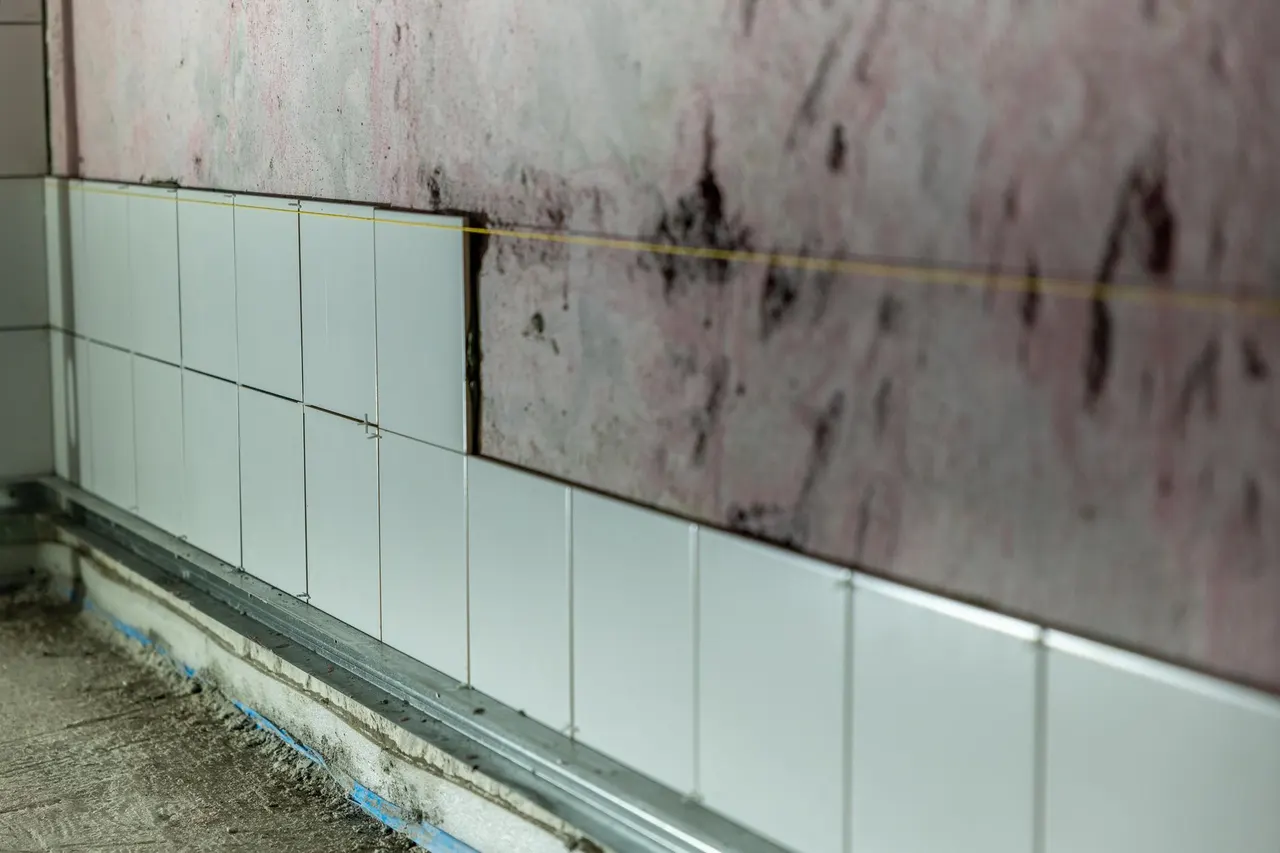
A supply line under the sink let go while the homeowner was at work. The cabinet base and lower 24 inches of drywall were black with mold, and the moisture meter read well above normal in the framing.
We contained the kitchen, removed the cabinet base and lower drywall, HEPA-vacuumed and treated the framing, and ran drying equipment for four days. Final readings were back to normal, and the homeowner had photos and a drying log for the claim.
Check supply lines and shutoff valves under sinks once a year, and replace braided lines every five to seven years. A $12 line is cheaper than a mold job.
A failed vapor barrier let ground moisture rise into the joists. The homeowner noticed a musty smell in the hallway and soft spots in the floor. Joists showed visible mold across about 400 square feet.
We removed mold from the framing, HEPA-vacuumed and treated the wood, replaced the failed barrier, and dried the space until joist readings returned to normal. The musty smell was gone and the floor felt solid again.
Inspect the vapor barrier each fall and after heavy rain. Patch tears with barrier tape and keep gutters clear so water moves away from the foundation.
A roof leak soaked the bathroom ceiling and attic insulation. Dark spots spread across the ceiling within a week, and the bathroom fan was venting into the attic instead of outside.
We removed the affected drywall and wet insulation, dried the framing, and treated the attic side. The fan duct was rerouted outside. Moisture readings returned to normal in three days.
Run the bathroom fan for 20 minutes after every shower and check that it vents outside, not into the attic. A $15 duct fix prevents a repeat.
Most emergency mold calls start with a small leak or a damp space that was ignored. Here are the problems we see most often in Lacey and what happens if they are left alone.
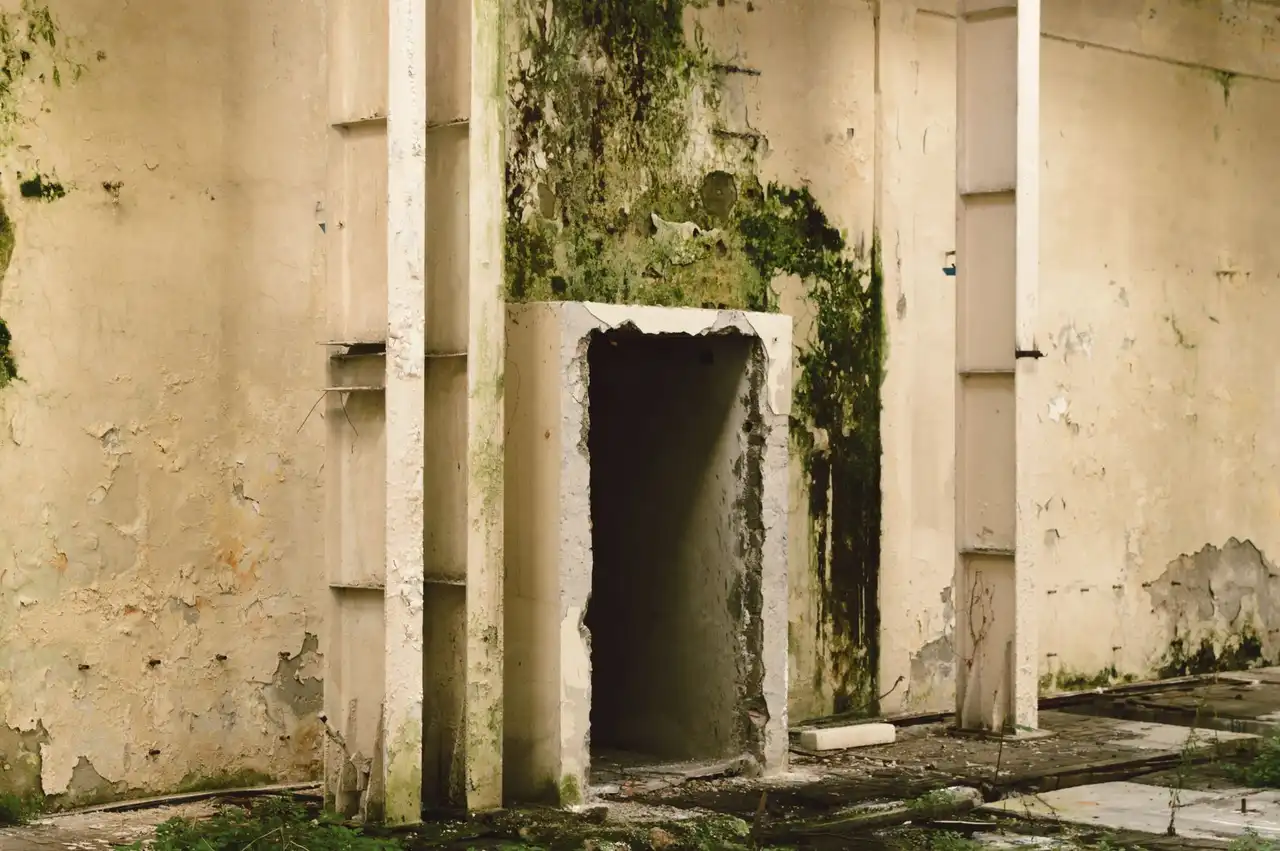
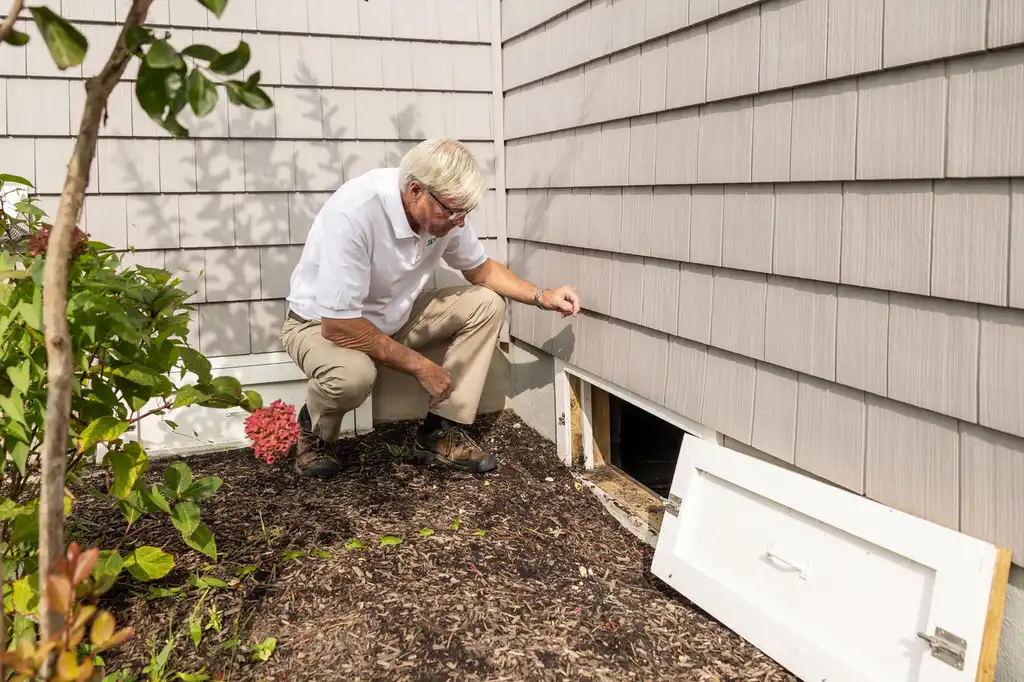
We use a thermal camera and boroscope to find the source, contain the area, remove affected material, and dry the cavity. You get a walkthrough of what was found and what was removed. A musty smell usually means active growth behind drywall or under flooring. Left alone, the colony spreads into framing and insulation, and the odor moves through the HVAC system into other rooms.
We remove the affected drywall, check the attic side for wet insulation, and dry the framing. If the fan is venting into the attic, we point out the correction so the problem does not return. Ceiling mold often traces to a roof leak or a bathroom fan venting into the attic. Ignoring it lets moisture keep feeding the growth, and the drywall above can soften and fail.

We remove mold from the framing, HEPA-vacuum and treat the wood, and replace failed vapor barrier where needed. Drying equipment runs until the joists read normal moisture content. A failed vapor barrier keeps ground moisture rising into the joists. Over time the wood stays wet, mold spreads, and the floor above can feel soft or smell musty year-round.
We shut down the moisture source, contain the kitchen or laundry area, remove affected material, and start drying the same visit. You get a moisture log for your insurance claim. A leak that runs for a day or two soaks cabinet bases, drywall, and flooring. Mold can start within 48 hours, and the affected materials usually cannot be dried in place once growth is visible.
We seal doorways and run negative air machines so spores stay in the work zone. That protects bedrooms, kitchens, and offices you are still using. On a typical 200-square-foot bathroom, containment goes up in under 30 minutes and stays until the final air scrubber pass clears.
Water damage that sits more than 48 hours gives mold a head start. Our crews carry dehumidifiers and air movers on the truck, so drying begins the same visit. That shortens the dry-out from a week to three or four days on most Lacey jobs.
The earlier we get there, the more framing and drywall we can save. We use a moisture meter and boroscope to check inside walls before cutting. On many jobs we remove only the lower 24 inches of drywall instead of a full wall, which cuts repair costs.
We photograph moisture readings, affected square footage, and removed materials before and after. That record supports a homeowner or commercial claim. Most carriers want the drying log and photos, and we hand both over at the end of the job.
Typical 2026 pricing for emergency mold remediation in Lacey runs $1,200 to $6,500 depending on scope. A small contained bathroom or kitchen area sits near the low end, while crawl space jobs or multi-room removal with several days of drying land higher. We give you a range before we cut anything, and we explain what drives the number so you can compare it to your insurance deductible. If you need same-day mold remediation Lacey WA service, the emergency response itself does not add a separate dispatch fee.
What your estimate is based on
$1,200 - $6,500 depending on scope The price covers containment, removal, treatment, drying equipment, daily moisture checks, and documentation for your claim. Getting a crew out early usually saves material and shortens drying time, which keeps the total lower than waiting.
Clear records you can keep and share.
What comes out and what stays
Daily moisture readings before and after
Affected areas documented for claims
Mold needs moisture, so removal without fixing the source is a temporary fix. The moisture reading is what tells you whether the space is actually dry or just dry to the touch.
A surface can feel dry while framing behind it still holds moisture. We use a meter and record readings until they return to normal.
Demolition without negative air pressure spreads spores into clean rooms. Containment goes up before any material is removed.
Drywall and insulation usually come out once growth is visible. Framing and tile can often be cleaned and treated instead of replaced.

Outside these areas? Call and ask, we may still cover your street. 3609950233
Most emergency mold jobs in Lacey run $1,200 to $6,500 in 2026, with small contained areas near the low end and crawl space or multi-room jobs higher. Price depends on square footage, how much material must be removed, and whether drying equipment is needed for several days. We give a range before work starts so you can compare it to your insurance deductible.
Active water intrusion plus visible mold, a musty odor in a closed room, or growth spreading across drywall within days qualifies as an emergency in Lacey. The trigger is usually an ongoing leak or a space that stayed wet more than 48 hours. If you see black mold or smell it near a bedroom or HVAC return, call rather than wait for a routine appointment.
We typically have a technician at a Lacey address within two to four hours of your call, and often sooner for central Lacey and Hawks Prairie. After-hours calls go to the same local crew, not a national dispatch line. If the water source is still running, we walk you through shutting it off while the crew is en route.
Mold can return if the moisture source is not fixed, which is why we locate and address the leak or humidity problem before we finish. We also check crawl spaces for failed vapor barriers and poor ventilation, two common causes in Lacey homes. If a source cannot be corrected during the visit, we tell you what needs to happen to keep the area dry.
If you see spreading mold or smell it in a closed room, call Lacey Mold Pros. We answer the phone, give you a price range before we cut, and put containment up the same day. Call 360-995-0233 and we will get a crew moving.
Call 360-995-0233 or email info@laceymoldpros.com to book an inspection. We answer the phone during business hours and return after-hours messages first thing the next morning. Most inspections get scheduled within one business day, and we serve all of Lacey and the surrounding Thurston County area.