Local GuidesPrevention Tips
How to keep mold out of your Long Lake Area crawl space
Stop crawl space mold before it starts. Long Lake Area homeowners get real moisture-control tactics, encapsulation guidance, and local prevention steps that work.
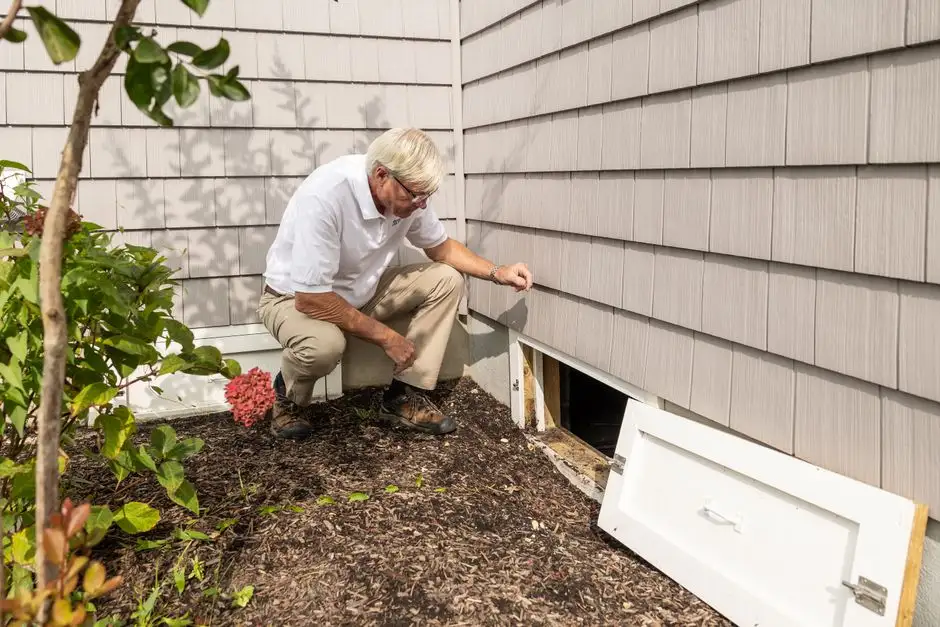
Keeping mold out of your Long Lake Area crawl space comes down to three things: stop liquid water from entering, keep the air under the house below 60% relative humidity, and seal the ground so soil vapor stops feeding the space. Do those three consistently and mold cannot establish - even through a Puget Sound winter. This guide breaks down exactly how Long Lake Area homeowners get that done, what it costs in 2026, and the mistakes that undo the work.
Why Long Lake Area crawl spaces grow mold so fast
Long Lake Area crawl spaces grow mold faster than almost anywhere else in Thurston County because the neighborhood sits on glacial till and lake-influenced soils that hold water and release it slowly. Long Lake itself moderates temperature - warmer nights, cooler days - which keeps the soil under your house damp well into July. Add 38 to 42 inches of annual rain and you get a crawl space that stays above 70% relative humidity for months.
Most homes around Long Lake were built between 1978 and 2005. That era of construction used 6-mil poly laid loose over the soil, if anything at all. Vapor barriers were stapled to the foundation and never sealed at the seams, piers, or plumbing penetrations. Within a few seasons, that poly tears, shifts, and stops doing its job. The soil below keeps evaporating, and the wood above stays wet.
We see the same pattern in nearby neighborhoods - the older sections of Mold Remediation in Tanglewilde have identical soil and building stock, and the crawl space issues track almost one-to-one.
What causes mold in Long Lake Area crawl spaces?
Mold in a Long Lake Area crawl space needs three things: a food source (wood, paper, dust), a temperature between 40°F and 100°F, and sustained moisture. The first two are always present. Moisture is the only variable you control, and in this neighborhood it comes from five predictable places.
- Ground vapor. Bare or poorly covered soil releases 10 to 20 gallons of water vapor per day into a 1,000-square-foot crawl space.
- Roof and gutter failures. Long Lake Area gets wind-driven rain from the southwest. Gutters that overflow send water straight to the foundation.
- Poor exterior grading. Many lots here slope toward the house instead of away. Water pools at the foundation and wicks through the stem wall.
- Plumbing and HVAC leaks. Slow drips under a bathroom or a condensate line that drains into the crawl space keep a small area permanently wet.
- Ventilation myths. Foundation vents were designed to dry crawl spaces. In western Washington, they do the opposite - they pull humid outside air into a cooler space, where it condenses on joists and insulation.
Any one of those five is enough to start a mold colony in 24 to 48 hours on a wet wood surface. Two or more and you have a chronic problem that comes back every winter no matter how many times you clean it.
How do I keep mold out of my Long Lake Area crawl space?
You keep mold out by closing the crawl space to outside air, sealing the ground, and managing water at the exterior. That is the whole strategy - everything below is the execution.
1. Seal the ground with a reinforced vapor barrier
Upgrade from 6-mil poly to a 12- or 20-mil reinforced liner. Overlap seams 12 inches, tape them with butyl or crawl space seam tape, and run the liner up the stem wall at least 6 inches. Seal around every pier, plumbing penetration, and drain. This single step drops crawl space humidity by 15 to 25 percentage points in most Long Lake Area homes.
2. Close and insulate the foundation vents
Vented crawl spaces work in dry climates. Here, they pull in 80% to 90% relative humidity air for nine months of the year. We seal the vents with rigid foam and spray foam, then insulate the stem walls with 2-inch closed-cell foam board rated R-10. The crawl space becomes part of the conditioned envelope.
3. Fix exterior water first
Clean gutters twice a year - once in late October before the storm season and once in March. Extend downspouts 6 to 10 feet from the foundation. Regrade any soil that slopes toward the house so it falls 6 inches over the first 10 feet. If you skip this step, the encapsulation will fight water it cannot win against.
4. Run a dedicated dehumidifier
A crawl space dehumidifier sized for 1,300 to 1,800 square feet, set to 50% relative humidity, keeps the space dry even during a 30-day rain stretch. Look for a unit rated for 50°F operation - standard basement dehumidifiers freeze up in a Puget Sound crawl space by December.
5. Monitor with a hygrometer
Place a $20 wireless hygrometer on a floor joist near the access hatch. Check it monthly. If humidity climbs above 60% for more than a week, something has changed - a tear in the liner, a new leak, or a failed dehumidifier.
Crawl space encapsulation for mold prevention Long Lake Area Washington
Crawl space encapsulation for mold prevention in Long Lake Area Washington means fully isolating the crawl space from soil vapor and outside air - liner on the floor and walls, sealed vents, insulated stem walls, and a mechanical dehumidifier. Done correctly, it is the only permanent fix for chronic crawl space mold in this climate.
A full encapsulation on a typical 1,200-square-foot Long Lake Area crawl space runs $4,500 to $9,500 in 2026, depending on liner thickness, insulation R-value, dehumidifier size, and how much rot or mold remediation is needed first. Partial jobs - liner and vent sealing without insulation or dehumidification - start around $2,200 and work for homes that already have good drainage.
Encapsulation does not just prevent mold. It lowers heating costs by 8% to 15%, eliminates the musty smell that drifts up through floor registers, and stops the stack effect from pulling crawl space air into your living room. If you have already found mold, we handle the cleanup and the encapsulation as one job through our Crawl space mold remediation Lacey WA service so the new liner goes down over clean, dry wood.
Crawl space moisture control Long Lake Area: the numbers that matter
Crawl space moisture control in Long Lake Area works when you hold three numbers: wood moisture content below 20%, relative humidity below 60%, and no standing water anywhere on the liner. Those are the thresholds where mold stops growing and stays stopped.
- Wood moisture content: 12% to 15% is ideal. Above 20% for 48 hours and mold colonizes.
- Relative humidity: 45% to 55% year-round. Above 60% and you are gambling.
- Temperature: 55°F to 75°F. Below 50°F, dehumidifiers lose efficiency and condensation risk rises.
- Liner thickness: 12-mil minimum, 20-mil for high-traffic crawl spaces or homes with a history of rodent activity.
- Dehumidifier capacity: 70 pints per day for 1,300 square feet, 95 pints for 2,000 square feet.
We check all five on every Mold inspection Lacey WA we run. If any number is off, we tell you exactly which fix moves it back into range and what it costs.
Common mistakes we see in Long Lake Area crawl spaces
The mistakes that undo crawl space mold prevention in Long Lake Area almost always come down to treating symptoms instead of moisture. Here is what we find most often.
- Bleaching the mold and calling it done. Bleach kills surface mold on non-porous materials. On wood, the hyphae are already inside the grain. The mold returns in weeks.
- Laying new poly over wet soil. Trapping moisture under a barrier pushes it into the wood above. The soil has to be dry or the liner has to be a true sealed system.
- Leaving foundation vents open. This is the single biggest reason crawl space mold comes back every winter in western Washington.
- Skipping the dehumidifier. A sealed crawl space without mechanical drying still hits 70% humidity during a wet January.
- Ignoring the exterior. If gutters overflow and grade slopes toward the house, no amount of interior work holds.
We also see homeowners in nearby Mold Remediation in Long Lake Area spend money on the wrong fix first - usually a second vapor barrier over a failed one - before calling anyone. That is a $600 to $1,200 mistake that delays the real solution by a season.
When to call a professional
Call a professional when you can see or smell mold, when wood in the crawl space feels soft or spongy, or when humidity stays above 60% after you have sealed the ground and closed the vents. Those three signs mean the problem has moved past what a homeowner can solve with a dehumidifier and a shop vac.
We handle the whole job - inspection, testing, remediation, encapsulation, and dehumidifier install - so you are not coordinating three contractors. If the mold has spread into the floor system or the joists are compromised, we bring in a licensed structural contractor and stay on the job until the crawl space passes a clean inspection.
If you are not sure whether you have a problem, start with a Mold testing Lacey WA visit. We take air and surface samples, tell you what species you are dealing with, and give you a written scope with pricing before any work starts.
Frequently Asked Questions
How do I keep mold out of my Long Lake Area crawl space?
Seal the ground with a 12- to 20-mil liner, close and insulate the foundation vents, fix exterior drainage, and run a crawl space dehumidifier set to 50% relative humidity. Check humidity monthly with a hygrometer. Those four steps keep Long Lake Area crawl spaces below the 60% threshold where mold grows.
What causes mold in Long Lake Area crawl spaces?
Ground vapor, wind-driven rain from overflowing gutters, poor exterior grading, slow plumbing leaks, and open foundation vents that pull humid outside air into a cooler space. Long Lake Area soils hold water longer than most of Thurston County, so humidity stays high from October through June.
Does crawl space encapsulation prevent mold in Long Lake Area WA?
Yes, when it is done as a sealed system - liner on floor and walls, closed vents, insulated stem walls, and a dehumidifier. Encapsulation alone without mechanical drying still leaves humidity above 65% during a wet winter. Full systems hold crawl spaces at 45% to 55% year-round.
How much does crawl space mold remediation cost in Long Lake Area?
Typical 2026 pricing runs $1,800 to $4,500 for remediation alone, and $4,500 to $9,500 for remediation plus full encapsulation on a 1,200-square-foot crawl space. Cost depends on mold coverage, wood damage, liner thickness, and dehumidifier size.
How long does crawl space mold prevention last?
A properly installed 20-mil encapsulation system with a quality dehumidifier lasts 20 to 25 years. The dehumidifier itself needs replacement every 8 to 12 years. Annual inspections catch liner tears and drainage changes before they turn into a mold problem.
Get help with Mold Remediation in Lacey
If your Long Lake Area crawl space smells musty, shows dark staining on the joists, or keeps climbing above 60% humidity, we can inspect it this week and give you a straight answer on what it needs. We are a local Mold Remediation Lacey WA company - we work in this neighborhood every week and we know what these crawl spaces do in a wet winter.
Call Lacey Mold Pros at 360-995-0233 to schedule an inspection or get a written estimate for remediation and encapsulation.