Local GuidesMold Remediation
How to Remove Mold from Attic Insulation in Lacey, WA
Moldy attic insulation in Lacey usually means a moisture problem above your ceiling. Here's how to remove it, when to replace it, and what it costs in 2026.
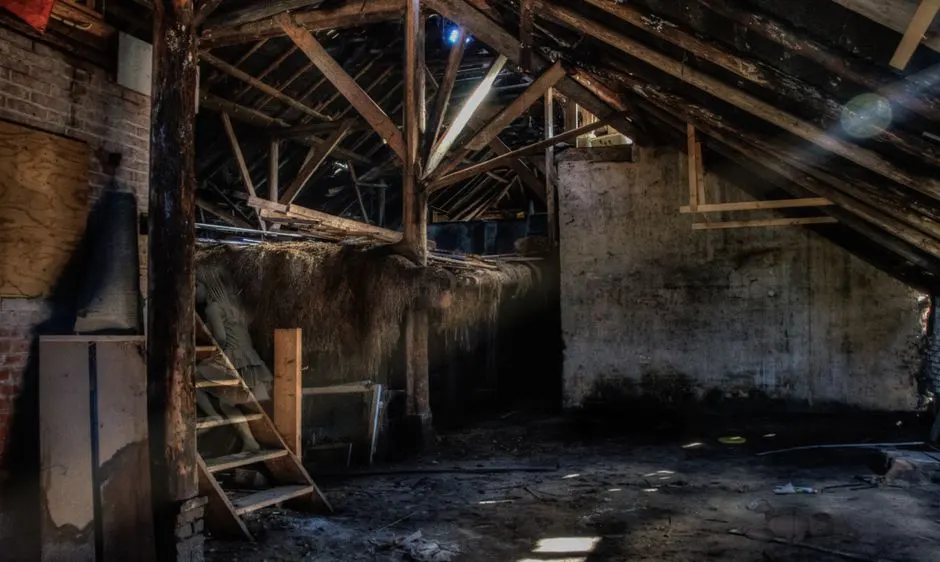
Removing mold from attic insulation means two jobs, not one: kill and remove the mold growing on the insulation and framing, then fix the moisture source that fed it. If you only replace the insulation and leave the leak, the condensation, or the blocked vent alone, mold comes back within one or two wet seasons.
Attic insulation mold removal in Lacey WA is almost always a moisture story, not a dirt story. This guide walks through why it happens here, when insulation can be cleaned versus replaced, the actual removal steps, 2026 pricing, and the mistakes that turn a weekend project into a $4,000 tear-out.
Why attic insulation grows mold in Lacey
Mold needs three things: organic material, a food-safe temperature, and sustained moisture above roughly 60% relative humidity. Your attic insulation supplies the first two year-round. Lacey supplies the third.
We sit in a marine climate with 140-plus rain days a year, mild winters, and long stretches of cool, damp air from October through May. That combination pushes warm, moist air from bathrooms, kitchens, and laundry rooms up into the attic, where it hits a cold roof deck and condenses. The insulation soaks it up like a sponge.
The usual culprits we find on inspections across Mold Remediation in Central Lacey and the older neighborhoods near Hicks Lake:
- Bathroom exhaust fans venting into the attic instead of through the roof
- Recessed can lights and attic hatches with no air sealing
- Baffles missing at the eaves, so soffit vents are blocked by insulation
- Roof leaks around chimneys, plumbing boots, and valleys
- Dryer vents disconnected or crushed in the attic
One more local factor: homes built before 1990 in this area often have thin or settled insulation, which leaves the roof deck colder and condensation more likely. If your attic was built in the 1970s or 80s, expect to find mold on the north-facing sheathing first.
Can you clean moldy attic insulation, or does it need to come out?
You can clean mold off the wood framing, but you almost never clean mold out of the insulation itself. Batts, blown-in fiberglass, and cellulose are porous. Once mold has colonized them, the spores and hyphae are inside the material, not on the surface.
Here's the rule we use:
- Light surface mold on the top inch of blown-in insulation, no odor, small area: sometimes salvageable after HEPA vacuuming and treatment, but we still recommend replacement because the food source remains.
- Any mold on fiberglass batts: replace. Batts are cheap and cleaning them costs more than new ones.
- Cellulose insulation with visible mold: always replace. Cellulose is paper-based and holds moisture longer than fiberglass.
- Mold on the roof sheathing or rafters: treat and encapsulate the wood, then replace the insulation.
If you're not sure which category you're in, professional Mold testing Lacey WA tells you the species, the spore count, and whether the problem is active or old. That report is what determines clean versus replace.
How to remove mold from attic insulation in Lacey WA: step by step
If you're going to do this yourself, do it in the right order. Skipping a step is how spores end up in your living room.
1. Gear up before you open the hatch
You need an N95 or P100 respirator, sealed goggles, nitrile gloves, and disposable coveralls. Tape plastic over the attic hatch and lay poly down on the floor below it. Spores travel on air currents, and your attic hatch is a direct line to your hallway.
2. Find and fix the moisture source first
Do not pull insulation until you know why it got wet. Check the roof for leaks, verify every exhaust fan terminates outside, and confirm soffit vents are clear. If you skip this, you're doing the job twice.
3. Remove the moldy insulation
Bag it in 6-mil poly, seal each bag, and carry it out through a window or hatch - not through the house. For large jobs, a remediation crew uses a vacuum truck and negative air pressure to keep spores contained.
4. HEPA vacuum the framing and deck
Vacuum every rafter, truss, and sheathing bay with a HEPA vacuum. This is the step DIYers rush. Take your time. Visible mold on wood is often just the fruiting body - the roots are in the grain.
5. Treat the wood
Apply an EPA-registered antimicrobial to all affected framing and sheathing. Let it dry fully. For heavy growth, we use a professional attic mold cleanup Lacey protocol that includes encapsulation of the wood with a mold-resistant coating.
6. Air-seal and re-insulate
Before new insulation goes in, seal every penetration: can lights, wiring holes, top plates, chimney chases, and the attic hatch. Then install new insulation to R-49 or better - the current Washington State Energy Code minimum for our climate zone.
7. Restore ventilation
Confirm you have balanced intake (soffit) and exhaust (ridge or roof) ventilation. A typical Lacey attic needs roughly 1 square foot of net free vent area per 150 square feet of attic floor if you have no vapor barrier, or 1 per 300 with a proper barrier.
Attic insulation mold removal cost in Lacey Washington
Typical 2026 pricing for attic insulation mold removal in Lacey runs $1,800 to $6,500, with most single-family homes landing between $2,400 and $4,200. The spread depends on square footage, how far the mold has spread, and whether you need new insulation.
Here's how the numbers break down:
- Mold inspection and testing: $250-$600
- Containment and HEPA vacuuming: $500-$1,200
- Antimicrobial treatment and wood encapsulation: $600-$1,800
- Insulation removal and disposal: $500-$1,500
- New blown-in insulation (R-49, 1,000 sq ft): $1,200-$2,200
- Air sealing and baffle repair: $300-$900
Small attics under 500 square feet with light surface mold can come in under $2,000. Attics over 1,500 square feet with mold on the sheathing, rafters, and insulation routinely hit $5,000 or more. Insurance sometimes covers the remediation portion if the mold traces back to a sudden leak - but rarely covers the insulation replacement itself.
If you're comparing quotes, ask each contractor whether the price includes air sealing and new insulation. A cheap remediation quote that leaves you with bare joists is not a deal.
Common mistakes we see on DIY attic mold jobs
We get called to fix DIY attic mold jobs every month, and the same four mistakes show up over and over.
- Bleaching the mold and calling it done. Household bleach kills surface mold on non-porous materials, but it does not penetrate wood or insulation. The mold returns in weeks.
- Replacing insulation without fixing the leak. New insulation in a wet attic is mold food. We've seen brand-new batts go green in a single winter.
- Skipping containment. Without plastic barriers and negative air, spores spread to bedrooms, closets, and HVAC returns. That turns a $3,000 attic job into a $9,000 whole-home cleanup.
- Blocking soffit vents with new insulation. Blown-in insulation piled against the roof deck at the eaves kills intake airflow. The attic stays humid and the mold comes right back.
One more: don't run a household box fan in the attic to "dry it out." That just aerosolizes spores and pushes them into the house.
When to call a professional
Call a pro when the mold covers more than about 10 square feet, when you can smell it from inside the house, when anyone in the home has asthma or allergies, or when the mold is on the roof sheathing rather than just the insulation.
Those are the jobs where containment, HEPA equipment, and proper disposal actually matter. Our team handles mold cleanup Lacey WA from inspection through final clearance testing, and we coordinate the insulation replacement so you're not managing two contractors.
If you're in one of the newer developments off Marvin Road or near the Meridian Campus area, we also serve Mold Remediation in Hawks Prairie and the surrounding neighborhoods. Same protocol, same crew.
Frequently Asked Questions
How do I remove mold from attic insulation in Lacey WA?
Fix the moisture source first, then remove and bag the moldy insulation, HEPA vacuum the framing, treat the wood with an EPA-registered antimicrobial, air-seal all penetrations, and install new insulation to R-49. Cleaning insulation in place rarely works because mold grows inside the material, not on it.
Should I replace moldy attic insulation in Lacey Washington?
Yes, in almost every case. Fiberglass batts, blown-in fiberglass, and cellulose are porous - once mold colonizes them, cleaning does not remove the spores or the food source. Replacement runs $1,200-$2,200 for 1,000 square feet of new R-49 blown-in insulation in 2026.
How much does attic insulation mold removal cost in Lacey?
Most Lacey homes fall between $2,400 and $4,200 in 2026. Small attics with light surface mold can come in under $2,000, while large attics with mold on sheathing and rafters often exceed $5,000. Inspection and testing alone runs $250-$600.
Can I just spray bleach on the mold and leave the insulation?
No. Bleach kills surface mold on hard surfaces but does not penetrate insulation or wood grain. The mold returns within weeks, and you've added moisture to an already damp attic. Use an EPA-registered antimicrobial on the framing, and replace the insulation.
How long does attic mold remediation take?
A typical 1,000-square-foot attic takes one to two days for removal, treatment, and air sealing, plus a half day for insulation installation. Larger attics or jobs with heavy sheathing growth can run three to four days. Clearance testing happens 24-48 hours after the work is complete.
Get help with Mold Remediation in Lacey
If your attic smells musty, your insulation looks discolored, or you've already found mold on the roof deck, we can inspect it, test it, and give you a straight answer on clean versus replace. We handle Mold Remediation Lacey WA from the first inspection through final clearance and new insulation.
Call Lacey Mold Pros at 360-995-0233 to schedule an attic inspection. We'll tell you what's actually growing up there and what it takes to fix it.