Local GuidesMold Education
Mold inspection vs mold testing: what Lacey homeowners need to know
A mold inspection finds the problem. Mold testing identifies what it is. Here's how Lacey homeowners decide which one they actually need.
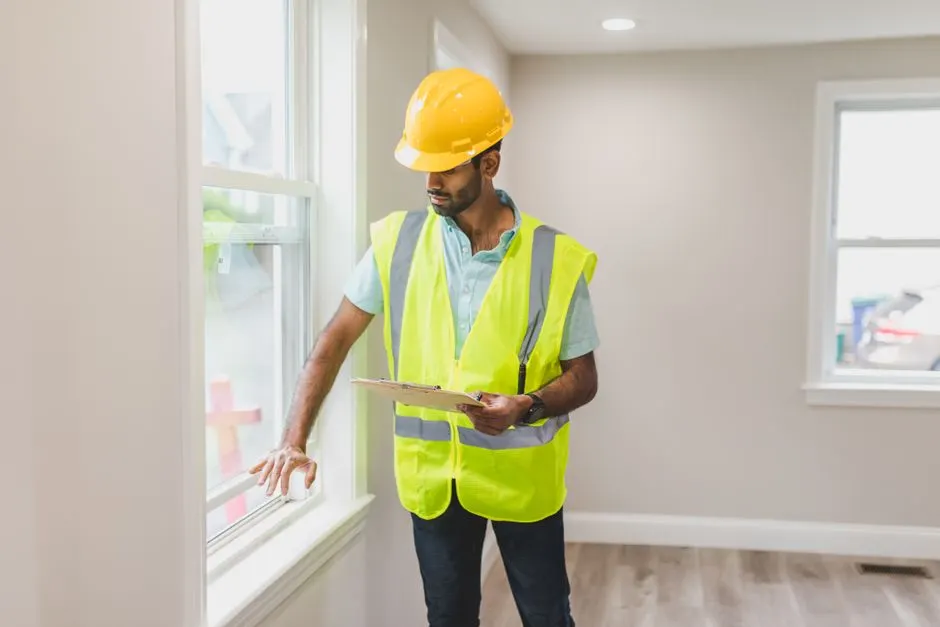
A mold inspection is a visual, hands-on assessment of your home to find where moisture is entering and where mold is growing. Mold testing is laboratory analysis of air or surface samples to identify what type of mold is present and at what concentration. In Lacey, most homeowners need an inspection first - testing only makes sense once you know where the problem is.
That distinction matters because the two services get bundled together in ads and quoted as if they're interchangeable. They aren't. Here's how to tell which one your Lacey home actually needs, what each costs in 2026, and when it's worth paying for both.
The short answer: inspection finds it, testing identifies it
Mold inspection vs mold testing Lacey WA is really a question of purpose. An inspection answers where and why. Testing answers what and how much.
An inspector walks your home with a moisture meter, a thermal camera, and a flashlight. They check under sinks, behind the washing machine, in the attic sheathing, along the crawl space joists, and around every window and door penetration. They read moisture content in wood and drywall - anything above 16% on a pin meter is a red flag. They trace the water source. They map the extent of visible growth.
Testing is different. A technician collects air samples with a pump and a spore trap, or wipes a surface with a swab, then ships the samples to an accredited lab. Results come back in 24 to 72 hours with genus names - Cladosporium, Penicillium, Stachybotrys - and spore counts per cubic meter.
One tells you where to cut. The other tells you what you're cutting into. If you already see mold and smell that musty, wet-cardboard odor, an inspection is the faster path to a fix. If you've remediated once and the smell came back, or you're buying a home and need documentation, testing earns its keep.
What is the difference between mold inspection and mold testing in Lacey WA?
The difference between mold inspection and mold testing in Lacey WA comes down to tools, training, and what you walk away with. An inspector uses moisture meters, thermal imaging, and boroscope cameras to locate the source and extent of a moisture problem. A tester uses air sampling pumps and surface swabs, then relies on a third-party lab for the answer.
Here's the practical breakdown:
- Inspection: 60-120 minutes on site, same-day verbal findings, written report with photos and moisture readings, recommended scope of work.
- Testing: 20-40 minutes on site, 1-3 business days for lab results, written lab report with genus and spore counts.
- Inspection cost: $250-$500 in Lacey for a typical 1,500-2,500 sq ft home.
- Testing cost: $75-$150 per sample, and most jobs need 2-4 samples.
An inspection without testing is often enough to start remediation. Testing without an inspection is a report with no address on it - you'll know you have elevated spores but not where they're coming from.
For most Lacey homeowners dealing with a visible leak, a musty closet, or a crawl space that stays damp through winter, a Mold inspection Lacey WA is the right first move. We bring the moisture meters and thermal camera, find the source, and tell you what it'll take to fix it.
When a mold inspection in Lacey WA is the right first call
A mold inspection Lacey WA is the right call when you can see or smell the problem but can't pinpoint the source. That covers most of what we see in Lacey homes.
Call for an inspection if any of these sound familiar:
- Dark staining on attic roof sheathing or along the north-facing wall of a bedroom.
- A persistent musty smell in the hallway or basement that gets worse after rain.
- A bathroom exhaust fan that vents into the attic instead of outside - common in homes built before 1990.
- A crawl space with no vapor barrier, or a barrier that's torn and pooling water.
- A roof leak you patched but never fully dried out.
- Condensation on windows that you wipe down every morning from October through April.
We see this constantly in Hawks Prairie Mold Remediation calls, where newer construction meets tight building envelopes and the humidity has nowhere to go. Same story in the older ranch homes around Tanglewilde and Thompson Place - 1970s vapor barriers that have long since failed.
An inspection gives you a scope of work: which materials come out, which can be cleaned, how many square feet of containment, and whether the source is a plumbing leak, a roof issue, or just chronic humidity. That's the document you hand to a remediation crew - or use to decide whether to DIY a small patch.
When mold testing Lacey Washington actually earns its cost
Mold testing Lacey Washington earns its cost in four specific situations, and outside those four it's usually money you don't need to spend.
- Real estate transactions. If you're buying or selling a home in Lacey and the inspection report flags moisture, a lab report gives both sides something concrete to negotiate around.
- Post-remediation verification. After we finish a job, a clearance test confirms spore counts have returned to normal outdoor levels. This is the proof your insurance adjuster or landlord wants.
- Health symptoms without visible mold. If someone in the house has unexplained respiratory issues and you can't find growth, air sampling can confirm whether mold is the culprit.
- Recurring mold after cleanup. If you've remediated twice and it keeps coming back, testing can identify whether you're dealing with a species that needs a different treatment approach.
What testing won't do is tell you where the water is coming from. A spore count of 1,200 spores per cubic meter in your living room doesn't tell you the source is the attic hatch - that's the inspector's job.
If you're not in one of those four situations, put the money toward fixing the moisture problem instead. A Mold testing service Lacey Washington is a diagnostic tool, not a remediation step.
How much do mold inspection and testing cost in Lacey?
Typical 2026 pricing in Lacey runs $250-$500 for a standalone mold inspection on a single-family home, and $75-$150 per sample for lab testing. Most testing jobs use 2-4 samples, so budget $200-$500 for the testing portion alone.
Bundled inspection-plus-testing packages usually land between $450 and $850 depending on home size and how many samples are needed. Crawl spaces and attics add time and sometimes an extra sample. Homes over 3,000 sq ft run higher.
What drives the price up:
- Multiple stories or a finished basement.
- Crawl space access that requires suiting up and crawling 40 feet.
- Attic inspections in summer when surface temps hit 130°F and the visit has to be short.
- Additional samples for clearance testing after remediation.
What keeps it down: a clear, single-source problem. If you know the leak is under the kitchen sink and the growth is contained to one cabinet, the inspection is quick and the scope is small.
One thing we always do: quote the inspection and any recommended remediation as separate line items so you can see exactly what you're paying for. No bundled mystery pricing.
Why Lacey homes grow mold differently than you'd expect
Lacey sits in a marine climate with 40-plus inches of rain a year and indoor-outdoor humidity that rarely drops below 60% from October through May. That combination means mold here isn't a summer problem - it's a winter and spring problem.
Three local factors drive most of the calls we get:
Roof and attic ventilation. Older Lacey homes often have gable vents only, no ridge vent, and bathroom fans that dump moist air straight into the attic. By February, the roof sheathing is wet on the underside and the mold has started.
Crawl spaces without vapor barriers. A surprising number of homes in the Tanglewilde and Hicks Lake areas still have bare dirt crawl spaces. Ground moisture wicks up into the floor joists all winter. By spring, the joists are stained and the insulation is sagging.
Tight new construction. Homes built in the last 15 years in Meridian Campus and Jubilee are sealed tight for energy efficiency. That's good for your heating bill and bad for moisture - without mechanical ventilation, cooking and showering humidity has nowhere to escape.
If you're in one of the lake-adjacent neighborhoods - Long Lake, Pattison Lake, Lake Forest - you're also dealing with higher ambient humidity and, in some cases, a high water table that keeps crawl spaces damp year-round.
For homes in those areas, we often recommend a Long Lake Area Mold Remediation assessment even when there's no visible growth, just to check moisture levels before they become a problem.
Common mistakes Lacey homeowners make with mold
The most expensive mold mistakes we see in Lacey are the ones that start with good intentions. Here's what to avoid.
Bleaching visible mold and calling it done. Bleach kills surface mold on non-porous materials, but it doesn't penetrate drywall, wood, or insulation. The roots stay, the moisture stays, and the mold comes back in three weeks. On porous materials, bleach makes it worse by adding moisture.
Skipping the moisture source. If you clean the mold but don't fix the leak, the failed vapor barrier, or the venting problem, you've paid for a cleanup that won't last a season.
Testing before inspecting. Paying $400 for lab results when you haven't found the source is backwards. Inspect first, test only if there's a reason.
Assuming homeowners insurance covers it. Most policies cover mold remediation only when it's the direct result of a covered peril - a burst pipe, a sudden roof leak. Chronic humidity and long-term seepage are almost always excluded. Read your policy before you assume.
Disturbing mold without containment. Scrubbing a moldy patch without plastic sheeting and a HEPA filter spreads spores through the house. What was a 10 sq ft problem becomes a 200 sq ft problem.
Trusting a DIY test kit. The $15 petri dish kits sold online grow whatever lands on them, including common airborne species that have nothing to do with your problem. They're not a substitute for accredited lab sampling.
When to call a professional
Call a professional when the mold covers more than 10 square feet, when you can smell it but can't see it, when it's in a crawl space or attic, or when anyone in the home has asthma or a compromised immune system. Those are the situations where DIY cleanup creates more risk than it removes.
At Lacey Mold Pros, we start every job with a proper assessment - moisture readings, thermal imaging, and a written scope - so you know exactly what you're dealing with before anyone starts cutting drywall. If it's a small surface issue you can handle yourself, we'll tell you. If it needs containment, HEPA filtration, and a full remediation, we'll walk you through the process step by step.
We handle everything from Mold removal Lacey WA for visible growth to full crawl space encapsulation and attic ventilation corrections. One crew, one scope, one price.
Frequently Asked Questions
What is the difference between mold inspection and mold testing in Lacey WA?
A mold inspection is a visual and moisture-based assessment that locates mold growth and its water source. Mold testing is laboratory analysis of air or surface samples that identifies mold species and spore counts. Inspection tells you where and why; testing tells you what and how much.
Do I need both mold inspection and mold testing in Lacey Washington?
Usually not. Most Lacey homeowners need an inspection first. Testing is worth adding for real estate transactions, post-remediation clearance, unexplained health symptoms, or recurring mold after prior cleanup. If you have visible mold and a known leak, inspection alone is enough to scope the work.
How much do mold inspection and testing cost in Lacey?
In 2026, a standalone mold inspection in Lacey runs $250-$500 for a typical single-family home. Lab testing runs $75-$150 per sample, with most jobs needing 2-4 samples. Bundled inspection-plus-testing packages typically land between $450 and $850.
Can I just test for mold without an inspection?
You can, but the results won't tell you where the problem is. A spore count without a source location leaves you with a number and no plan. Inspect first to find the moisture, then test only if there's a specific reason to identify the species or document clearance.
Does homeowners insurance cover mold inspection or testing in Lacey?
Most Lacey policies cover mold remediation only when it results from a covered peril like a burst pipe or sudden roof leak. Inspection and testing are typically out of pocket unless tied to a covered claim. Check your policy or call your adjuster before scheduling.
Get help with Mold Remediation in Lacey
If you're not sure whether you need an inspection, testing, or both, call us and we'll tell you straight. We serve homeowners across Lacey and the surrounding Thurston County area.
Call Lacey Mold Pros at 360-995-0233 to schedule your assessment.