For homes in Pleasant Glade
We work on crawl spaces, attics, basements, and bathrooms in Pleasant Glade homes. Most jobs start with an inspection and moisture reading.
- Crawl space mold
- Attic mold
- Basement mold
- Bathroom mold
Mold Remediation in Pleasant Glade means finding the moisture source, not just scrubbing the stain. We are Lacey Mold Pros, and we have worked Thurston County homes since 2018. From Pleasant Glade Elementary to the mature-tree lots off Pleasant Glade Loop, we test, contain, and remove mold so it does not come back next spring. Call 360-995-0233.

Serving Pleasant Glade and nearby
Mold Remediation in Pleasant Glade is the process of locating moisture problems, containing the affected area, and removing mold growth so your home is safe to live in. We are Lacey Mold Pros, and we have served Pleasant Glade and the surrounding Thurston County neighborhoods since 2018. This area gets 40-plus inches of rain a year, and the mature firs and maples that shade Pleasant Glade Drive keep roofs and siding damp long after a storm passes. That shade is beautiful in July and a problem in January. We run moisture meters and thermal imaging cameras on every inspection, because the mold you can see on a bathroom ceiling is rarely the whole story. Hidden mold behind walls, in crawl spaces, and under attic insulation is common in homes built before 1995. We use air scrubbers, negative air machines, and HEPA vacuums to keep spores out of the rest of your house while we work. If you search for affordable Mold Remediation in Pleasant Glade near me, you will find plenty of companies. We show up when we say we will, we explain what we find, and we leave the job site clean.
Pleasant Glade sits in a pocket of Lacey where the housing stock ranges from 1970s split-levels to newer builds off Pleasant Glade Court. That mix means we see two very different mold problems. Older homes have crawl spaces with failing vapor barriers and bathroom exhaust fans that vent into the attic instead of outside. Newer homes are tighter, so condensation and poor ventilation create mold on window frames and in closets. We serve this area because the demand is steady and the work is specific. A one-size-fits-all approach does not work here.
Every home in Pleasant Glade is different, so we do not sell one package. We test first, then remove what is actually there. If you need 24/7 Mold removal Pleasant Glade WA, we answer the phone. Most jobs start with a mold inspection and moisture reading, then move to containment and removal. We handle attics, crawl spaces, basements, bathrooms, and everything in between.
 Mold removalWe remove mold from drywall, framing, insulation, and subfloor in Pleasant Glade homes. Crews set up negative air machines and HEPA vacuums before any material comes down. Most single-room jobs take one to two days. We bag and dispose of contaminated material, then treat the remaining surfaces with an antimicrobial solution.
 Mold testingWe take air and surface samples in Pleasant Glade homes to identify mold species and spore counts. Lab results come back in two to three days. Testing is useful when you smell musty odors but cannot see growth, or when you need documentation for a real estate transaction. We test before and after remediation to confirm clearance.Mold inspectionOur Pleasant Glade inspections use moisture meters, thermal imaging cameras, and boroscopes to find hidden mold behind walls and under floors. We check crawl spaces, attics, and bathroom exhaust venting. You get a written report with photos and a clear scope of work. Most inspections take 60 to 90 minutes.
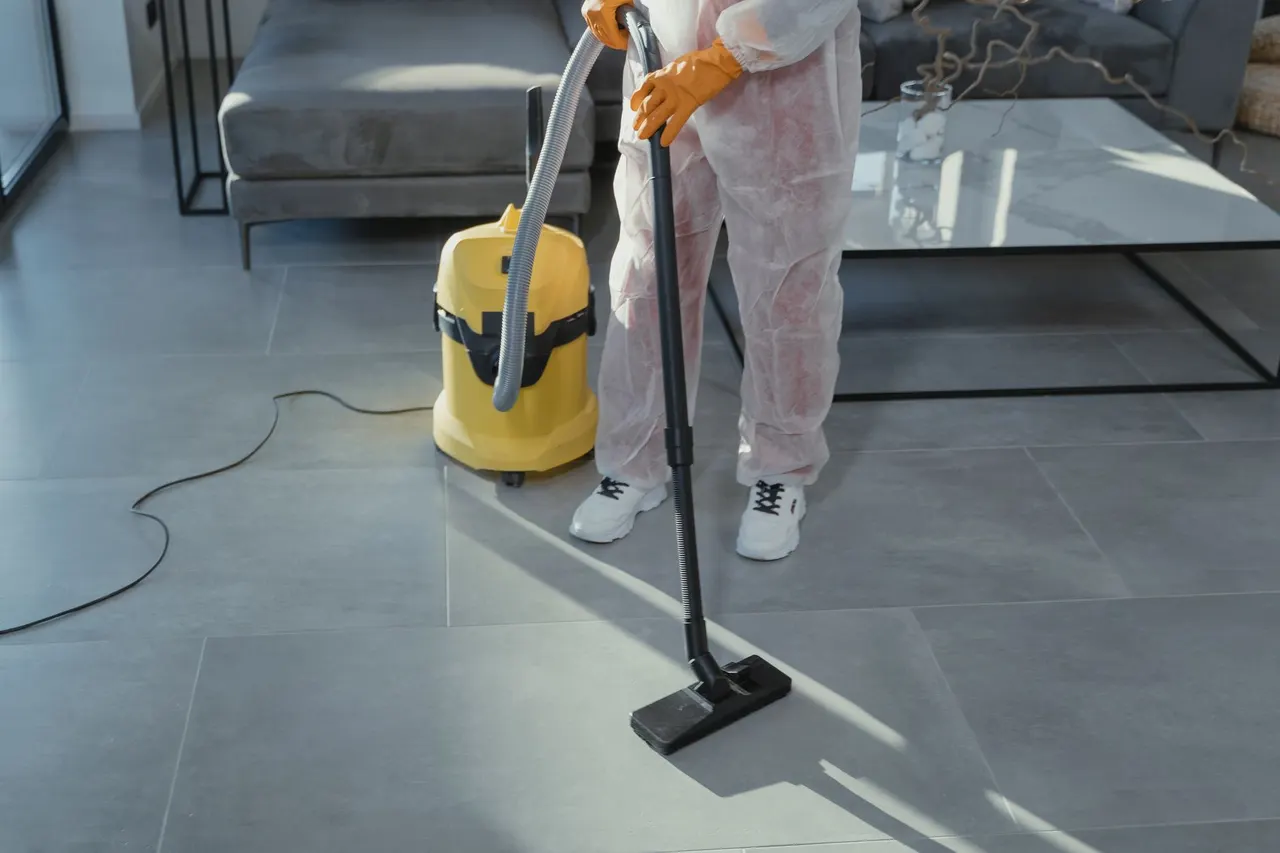 Black mold removalBlack mold in Pleasant Glade often shows up on drywall paper and ceiling tiles after a roof or plumbing leak. We contain the area with plastic sheeting, run air scrubbers with HEPA filters, and remove affected material. Technicians wear personal protective equipment at all times. We treat the framing with RMR-86 or Fiberlock after removal.
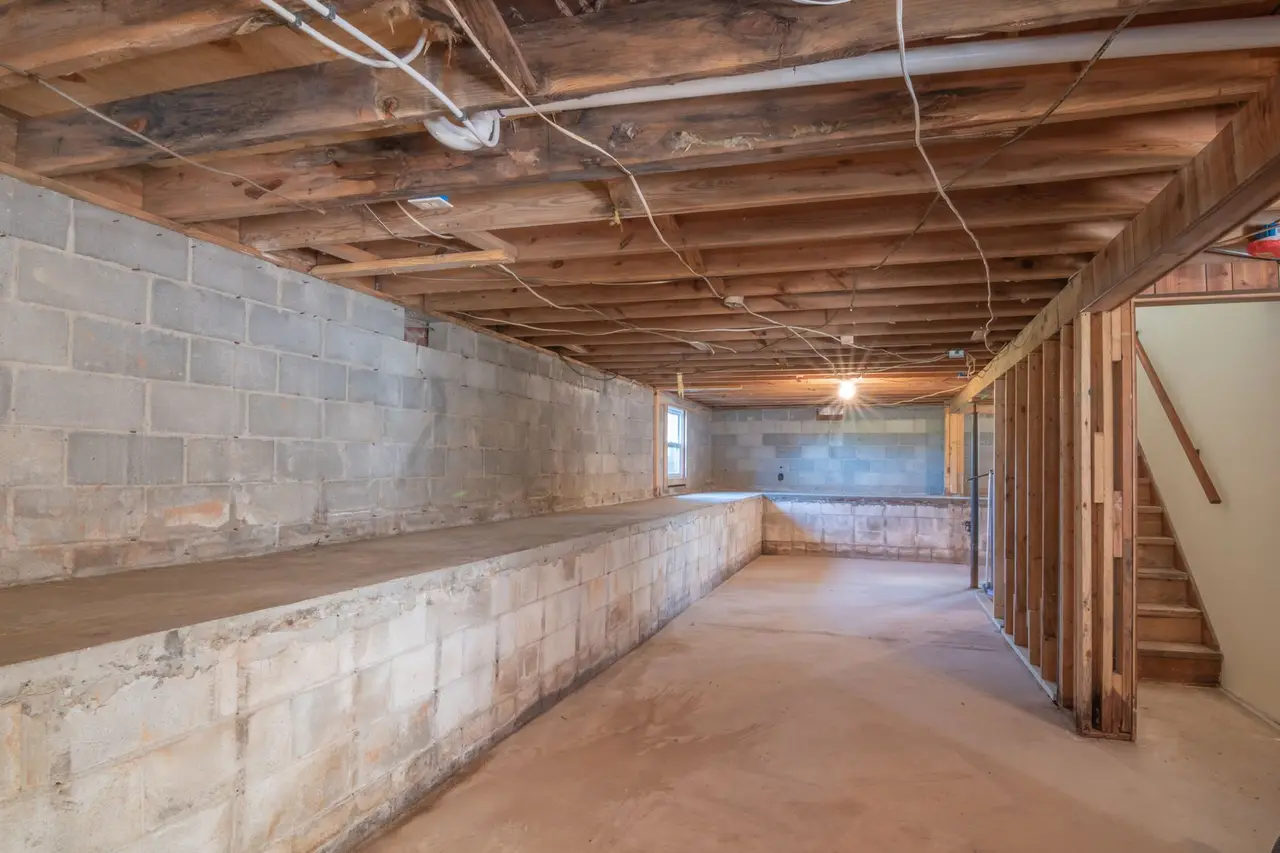 Basement mold remediationPleasant Glade basements stay damp because of our high water table and winter rain. We remove mold from concrete walls, framing, and stored items, then address the source with a dehumidifier or drainage fix. We apply antimicrobial solution and, where needed, encapsulation film. Most basement jobs take two to three days.
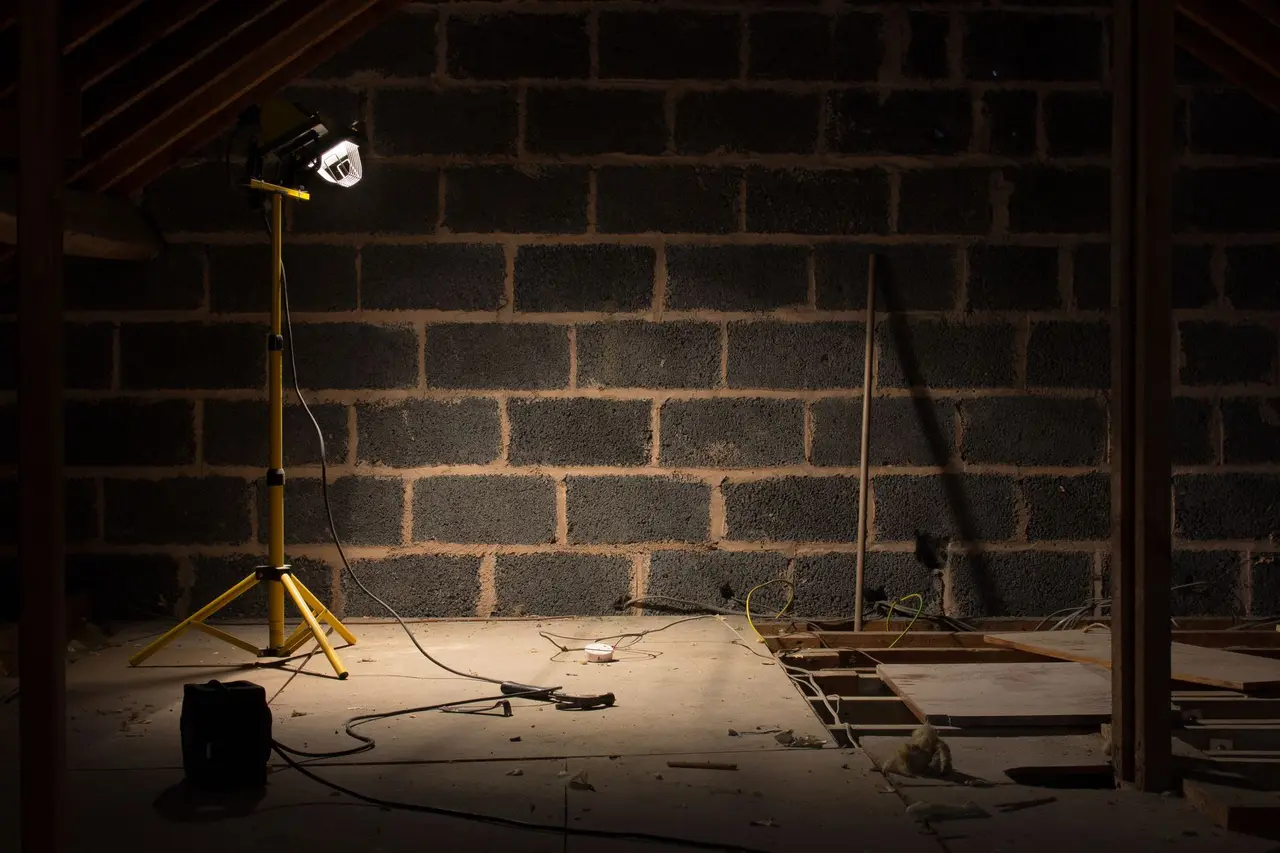 Attic mold remediationAttic mold in Pleasant Glade is usually caused by bathroom fans venting into the attic or roof leaks. We inspect the roof deck, insulation, and rafters with a boroscope. Removal includes HEPA vacuuming and antimicrobial treatment. We also fix the venting so the problem does not return. Most attic jobs take one to two days.
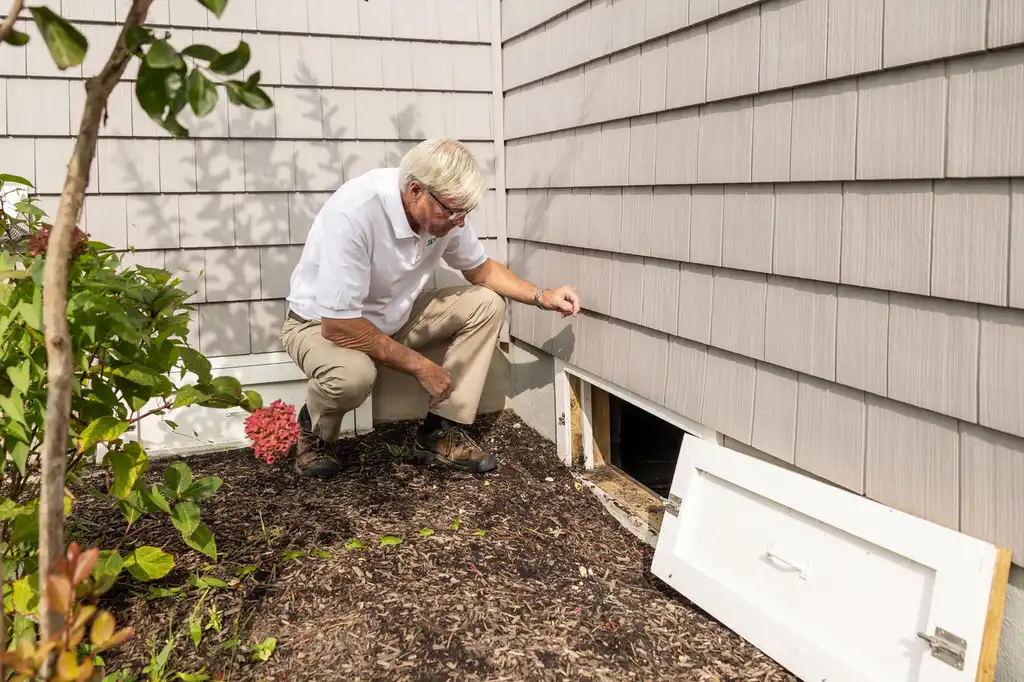 Crawl space mold remediationCrawl spaces under Pleasant Glade homes are the most common place we find mold. Wet soil, failed vapor barriers, and poor ventilation create ideal conditions. We remove mold from joists and subfloor, install a new vapor barrier, and set up proper ventilation. We use dehumidifiers and air movers to dry the space before we close it up.
 Emergency mold remediationWhen a pipe bursts or a storm floods your Pleasant Glade home, mold can start growing in 24 to 48 hours. We offer emergency Mold Remediation Pleasant Glade WA with same-day response. Crews extract water, set up drying equipment, and begin containment. We work nights and weekends when needed. Call 360-995-0233 and we will dispatch a crew.
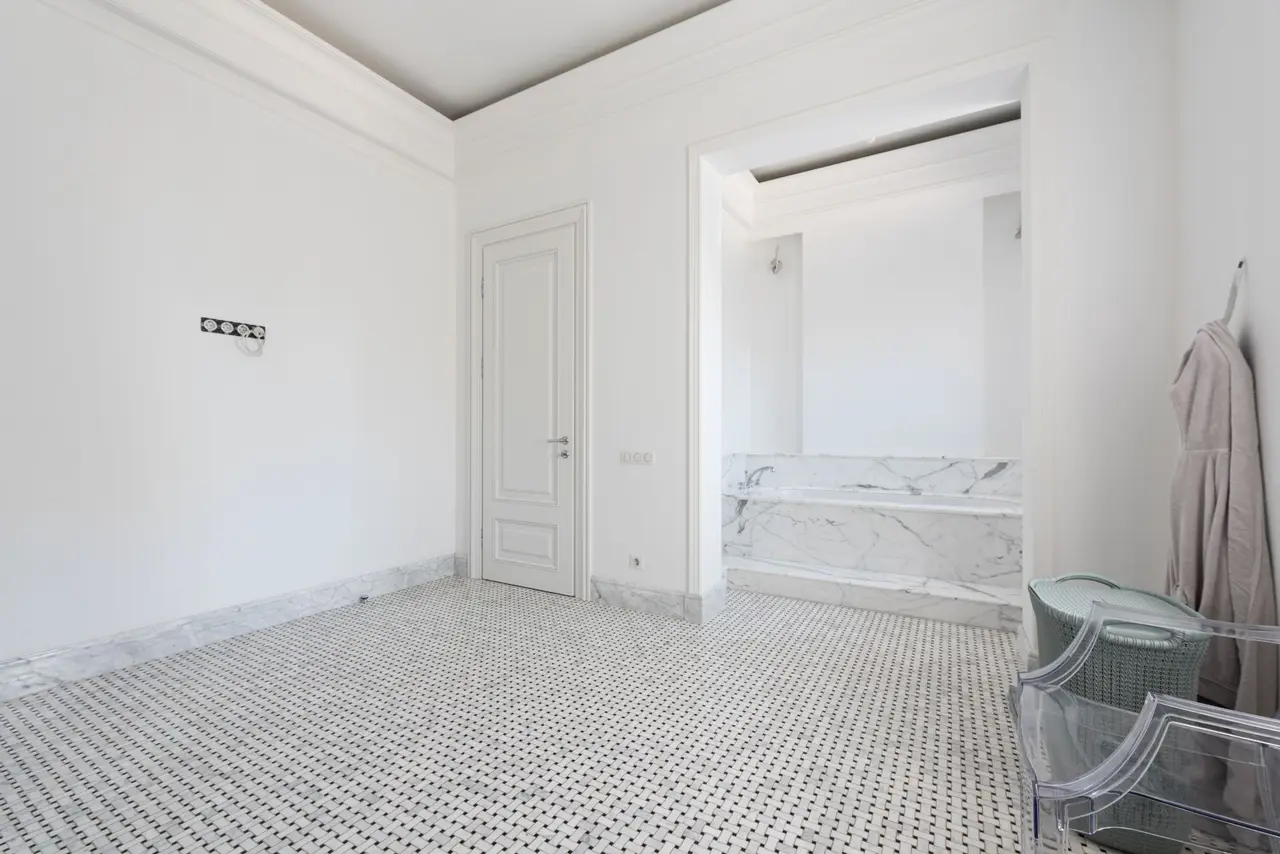 Bathroom mold remediationBathroom mold in Pleasant Glade is common because of poor ventilation and constant moisture. We remove mold from grout, caulk, drywall, and ceiling paint. We treat surfaces with Benefect or Concrobium, then recommend a properly sized exhaust fan. Most bathroom jobs take one day. We also check for leaks behind the shower valve.Mold treatmentAfter removal, we treat affected areas in Pleasant Glade homes with antimicrobial solution and, where appropriate, encapsulation film. Treatment prevents regrowth on framing and concrete. We use EPA-registered products and follow label directions. You get a written summary of what was applied and where. Most treatments take two to four hours.

We remove mold from drywall, framing, and insulation in Pleasant Glade homes. Crews set up containment and run air scrubbers before any material comes down. Most single-room jobs take one to two days.

We take air and surface samples in Pleasant Glade homes to identify mold species and spore counts. Lab results come back in two to three days. Testing is useful when you smell musty odors but cannot see growth.
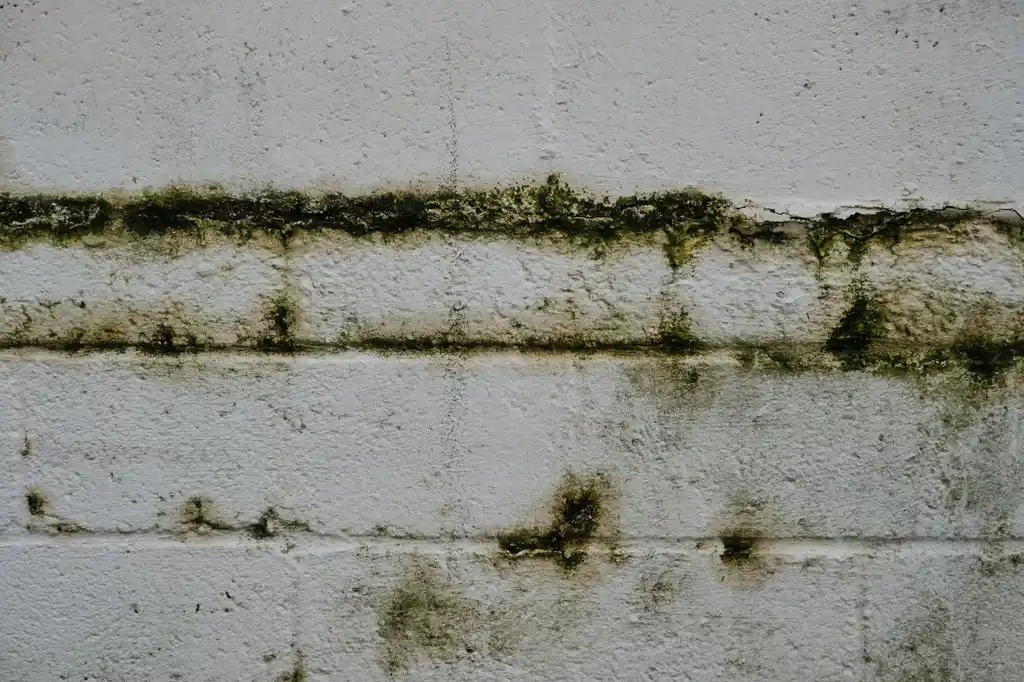
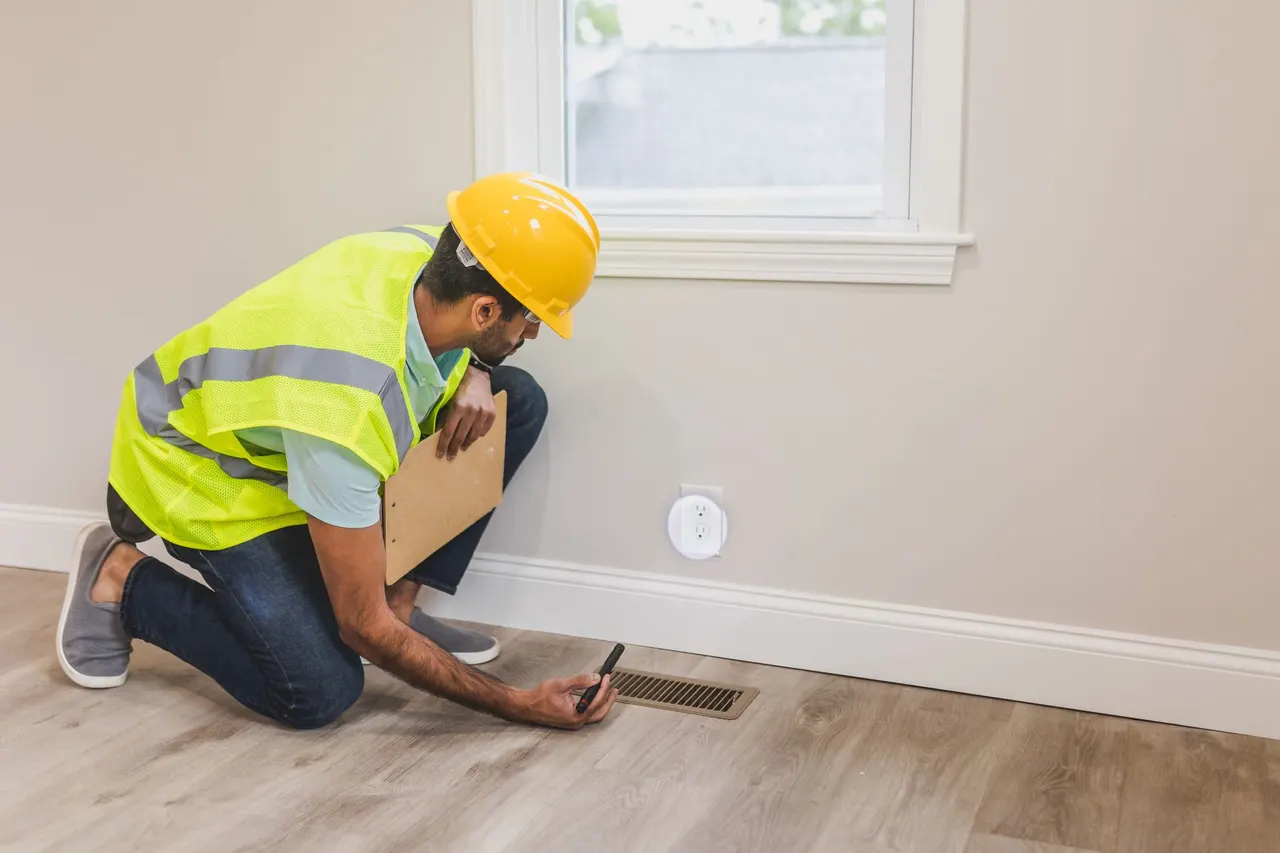
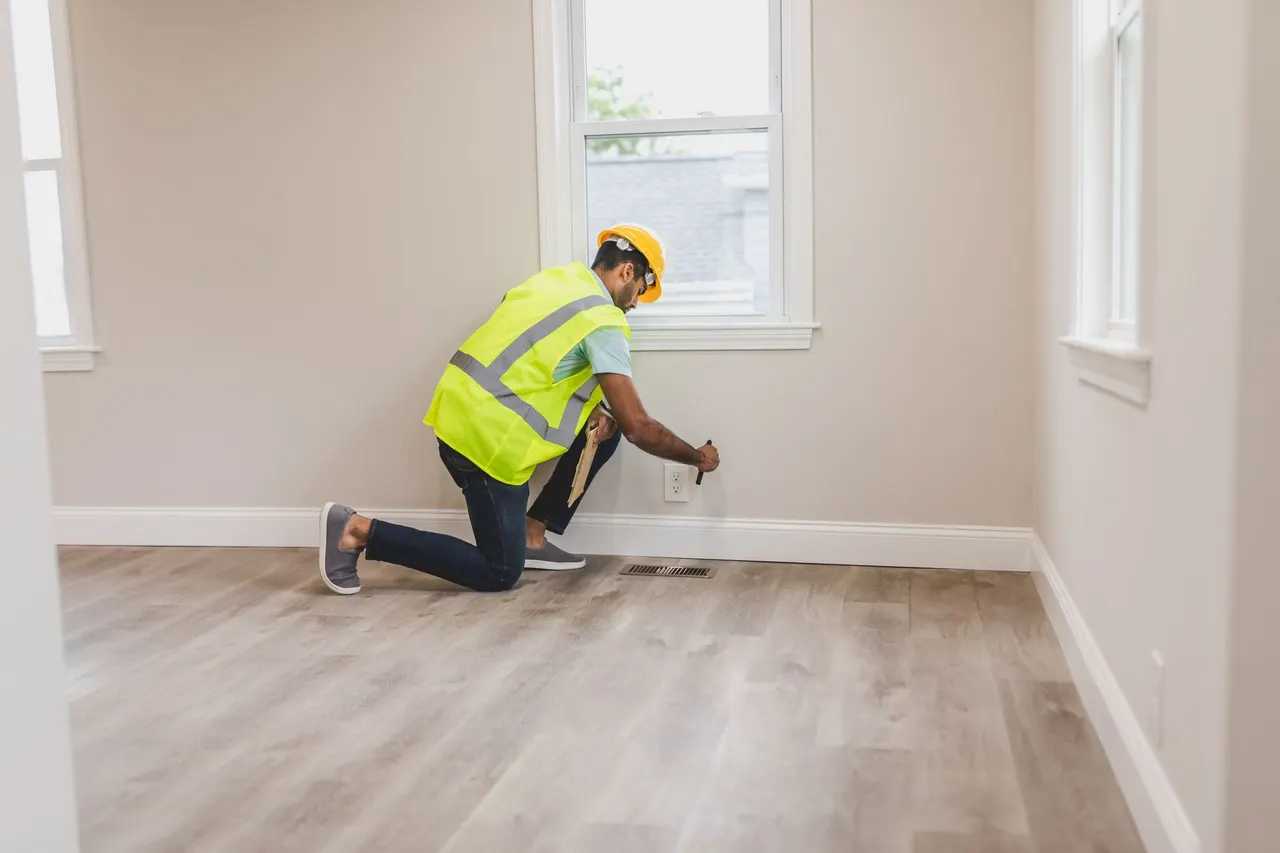
Our Pleasant Glade inspections use moisture meters, thermal imaging cameras, and boroscopes to find hidden mold. We check crawl spaces, attics, and bathroom venting. Most inspections take 60 to 90 minutes.
Black mold in Pleasant Glade often shows up on drywall and ceiling tiles after a leak. We contain the area with plastic sheeting and run air scrubbers with HEPA filters. Technicians wear personal protective equipment at all times.
We work on crawl spaces, attics, basements, and bathrooms in Pleasant Glade homes. Most jobs start with an inspection and moisture reading.
We handle mold problems in small commercial buildings and rental properties around Pleasant Glade. We schedule work around your business hours.
Pleasant Glade has a wet climate, mature trees, and a mix of older and newer homes. Those factors create specific mold problems we see again and again. Understanding why they happen helps you fix them for good.

Many Pleasant Glade homes built before 1990 have crawl spaces with torn or missing vapor barriers. Wet soil releases moisture into the framing, and mold grows on joists and subfloor. Our rainy season makes it worse. We remove the mold, install a new 6-mil vapor barrier sealed at the seams, and add a dehumidifier if humidity stays above 60 percent. We also check for plumbing leaks and poor drainage.
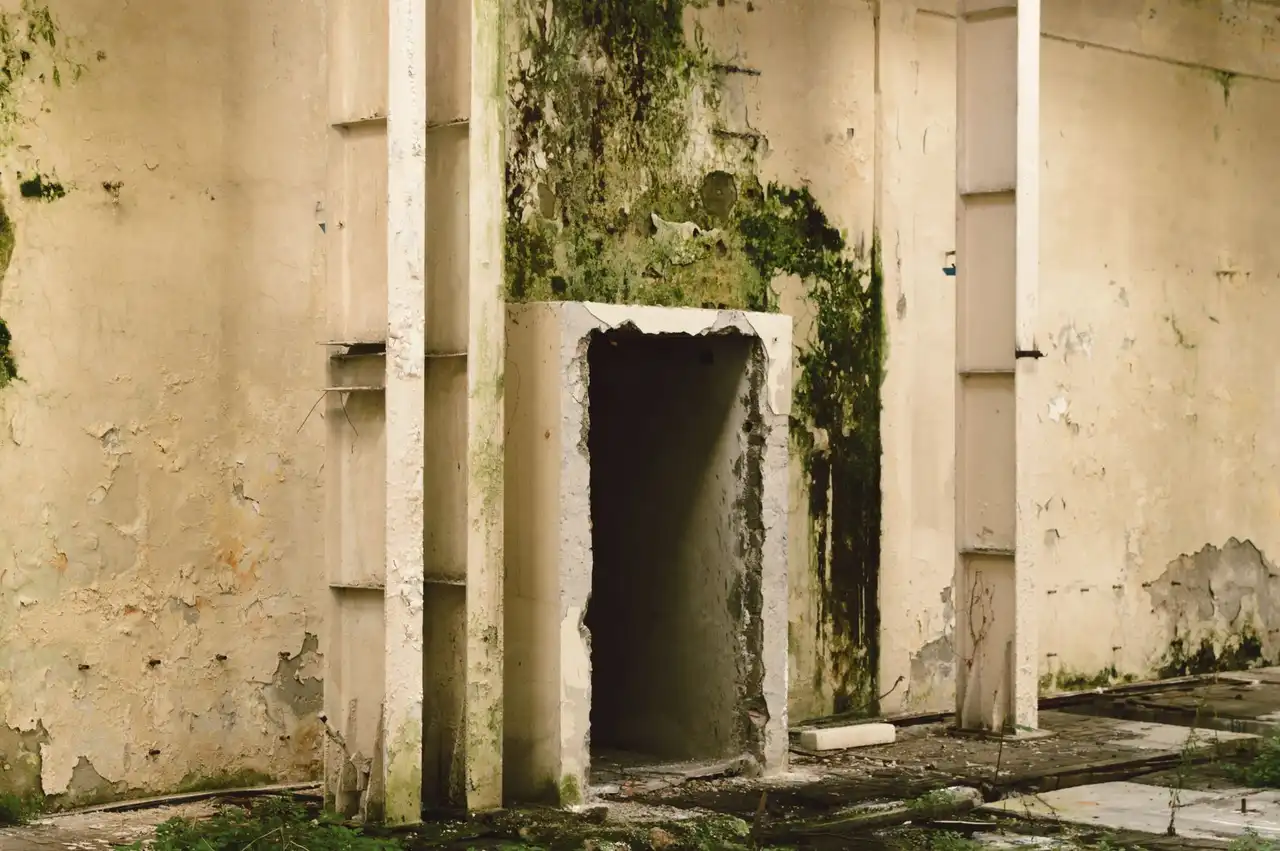
Some Pleasant Glade homes have bathroom exhaust fans that vent into the attic instead of outside. That warm, moist air condenses on the roof deck and feeds mold growth on sheathing and rafters. We remove the mold, treat the wood with antimicrobial solution, and reroute the exhaust fan to vent outside. We also check roof ventilation and add baffles if needed.
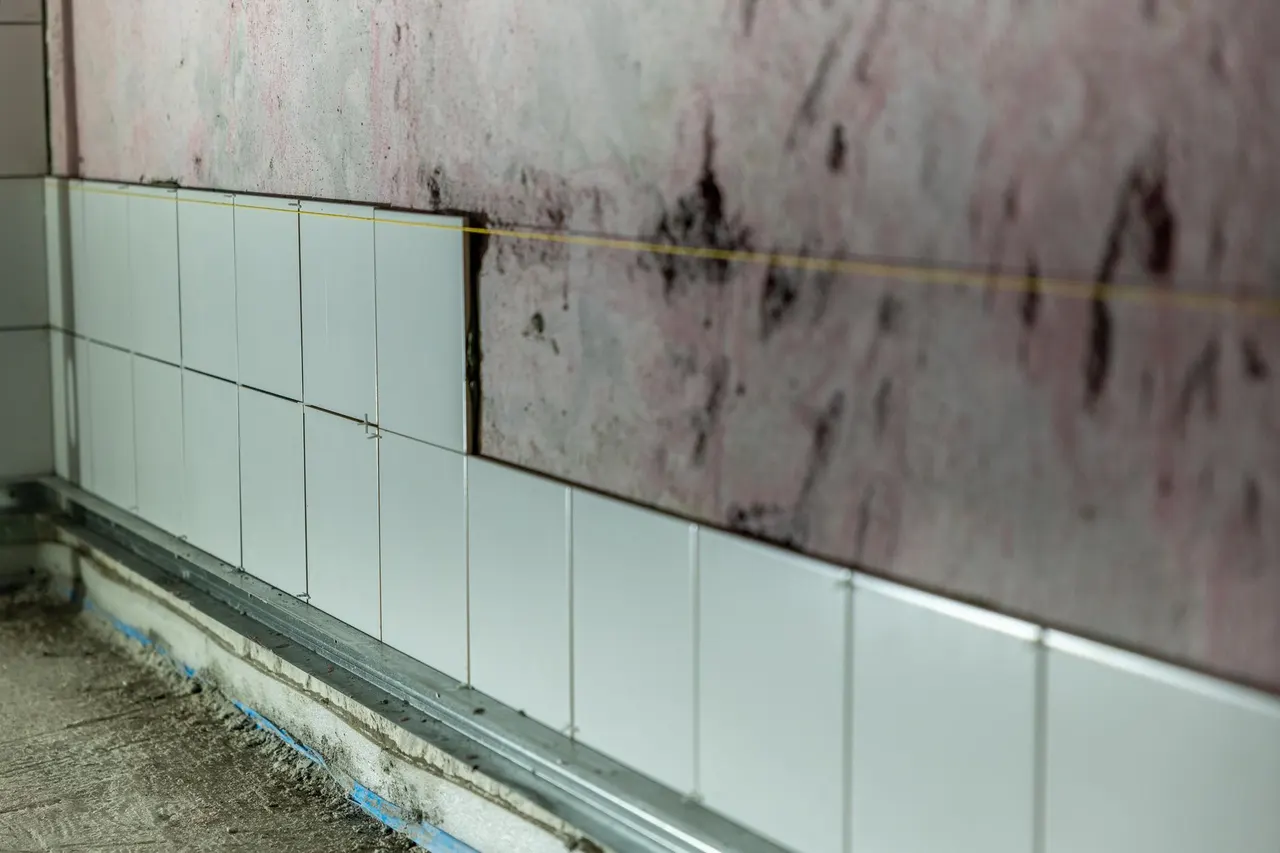
Pleasant Glade sits in an area with a high water table and clay-heavy soil. After a week of rain, water can seep through foundation walls and floor cracks. Mold grows on concrete and stored items within days. We extract water, remove mold from walls and framing, and apply antimicrobial solution. We also recommend a sump pump or drainage fix to keep water out. We install a dehumidifier for ongoing control.

Pleasant Glade bathrooms often have undersized exhaust fans or fans clogged with dust. Moisture from showers stays in the room and feeds mold on ceilings, grout, and caulk. This is a year-round problem. We remove mold, treat surfaces with Benefect or Concrobium, and replace caulk and grout where needed. We also test the exhaust fan and recommend a larger, quieter unit if it is not moving enough air.
Watch for musty odors, dark spots, peeling paint, and condensation in your Pleasant Glade home.
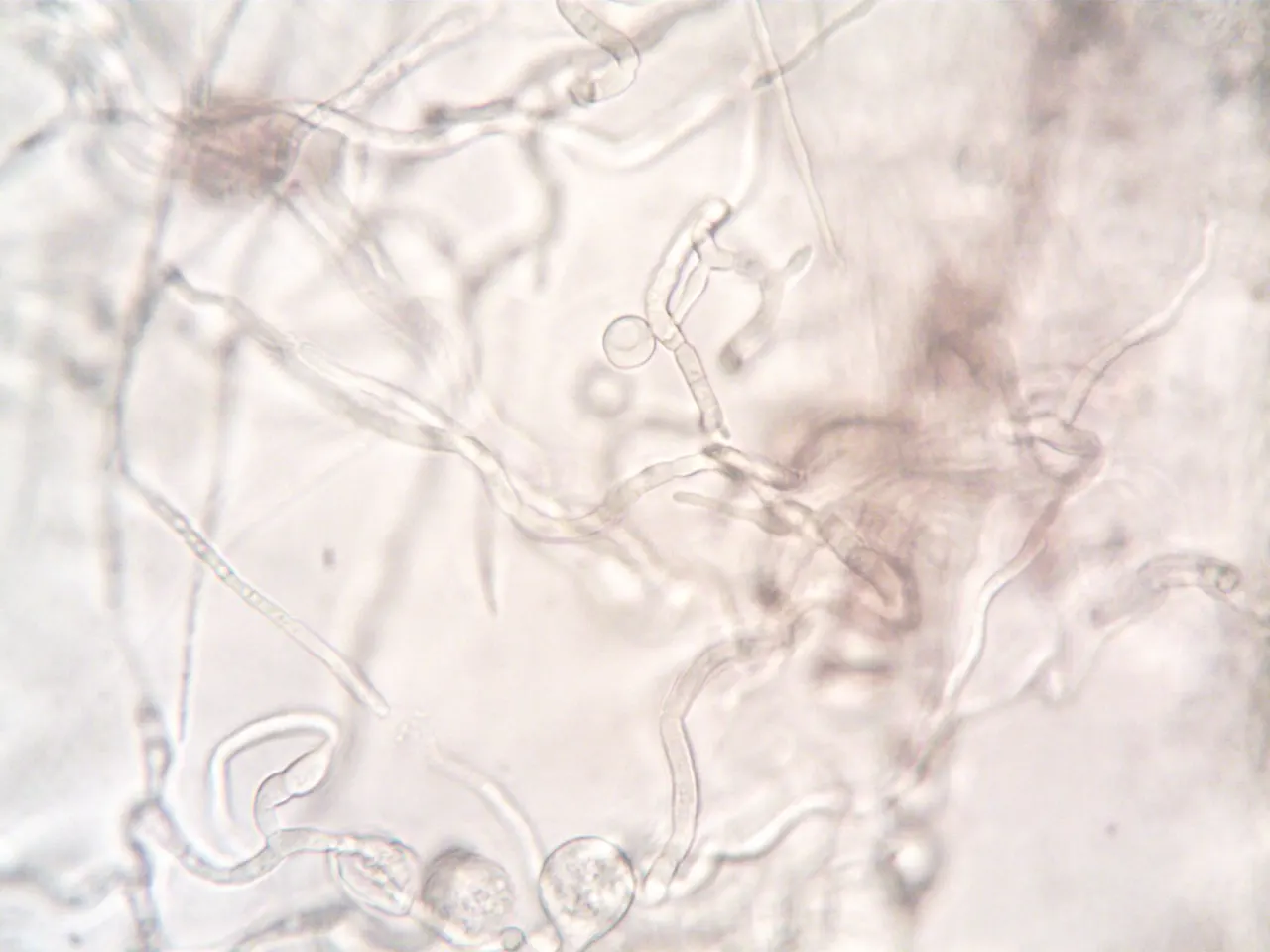
A musty smell usually means mold is growing behind drywall, under flooring, or in a crawl space. In Pleasant Glade, this is often the first sign of a crawl space problem. We use thermal imaging and moisture meters to find the source without tearing up your home.
Dark spots that spread after rain often point to a roof leak or plumbing leak. Black mold can grow on drywall paper within 48 hours of a leak. We inspect the attic and wall cavity to find the moisture source before removing the mold.
Paint that peels or drywall that bubbles is a sign of moisture behind the surface. In Pleasant Glade, this often happens on north-facing walls where shade keeps siding damp. We check the wall cavity with a boroscope and test for mold.
Constant condensation means indoor humidity is too high, which feeds mold growth. Pleasant Glade homes with poor ventilation see this most in winter. We measure humidity levels and recommend fixes like exhaust fans or dehumidifiers.
If your allergies or asthma get worse when you are home and better when you leave, mold spores may be the cause. We take air samples to measure spore counts and identify the mold type. If levels are high, we remove the source.
Mold Remediation near Pleasant Glade starts with a moisture investigation, not a spray bottle. We arrive in unmarked trucks, park on the street or driveway, and walk the property with you. Inside, we set up containment with 6-mil plastic and run a negative air machine so spores do not spread to clean rooms. We use thermal imaging cameras to find cool spots behind walls and moisture meters to confirm readings. In crawl spaces, we lay down a vapor barrier and run a dehumidifier until wood moisture drops below 15 percent. We follow IICRC AMRT and WRT standards on every job. If you need same-day mold cleanup Pleasant Glade Washington, call before noon and we can usually have a crew on site the same afternoon. We pull permits when required by WA State Department of Labor & Industries and leave you a written scope before work starts.
Pleasant Glade homes stay damp from October through April, so mold can grow on walls and ceilings without a visible leak. We see more surface mold here than in drier parts of Thurston County. We run dehumidifiers and air movers until moisture readings drop below 15 percent on wood and 12 percent on drywall. We also check attic and crawl space ventilation and recommend fixes so the house can dry out between storms.
Large firs and maples around Pleasant Glade Drive keep roofs and north-facing walls damp for days after rain. That shade encourages moss and mold growth on shingles and siding, which can lead to roof leaks. We inspect roof decks and attic sheathing with a boroscope when we see staining. If we find mold, we remove it and treat the wood. We also tell you which vents and roof areas need better airflow.
Many Pleasant Glade homes built before 1990 have crawl spaces with torn or missing vapor barriers. Wet soil releases moisture into the framing, and mold grows on joists and subfloor within weeks. We remove mold from joists and subfloor, then install a new 6-mil vapor barrier sealed at the seams. We add a dehumidifier if the space stays above 60 percent relative humidity. Most crawl space jobs take two days.
Any mold remediation contractor working in Pleasant Glade must be registered with L&I. We carry the required registration and can provide it on request. This protects you if a worker is injured on your property.
This standard sets the minimum requirements for containment, removal, and clearance. We follow it on every Pleasant Glade job, which means our work is defensible if you sell your home or file an insurance claim.
Homes built before 1978 may contain lead paint. When we remove moldy drywall or trim in older Pleasant Glade homes, we follow EPA Lead-Safe practices to keep dust contained. This adds a short setup step but keeps your family safe.
What your estimate is based on
We schedule mold inspections and remediation in Pleasant Glade Monday through Saturday, with emergency response available 24/7. Same-day service is often possible if you call before noon. We work around your schedule and can coordinate with your insurance adjuster. Call 360-995-0233 to book.
Mold Remediation in Pleasant Glade is not a flat-rate service, because no two mold problems are the same. Typical 2026 pricing in this area ranges from $1,200 to $6,500 for most residential jobs. A small bathroom or attic job might run $1,200 to $2,500. A crawl space with a new vapor barrier often lands between $2,500 and $5,000. Full basement remediation with reconstruction can exceed $6,500. We provide a written scope and price before we start, so you know what you are paying for. If you are searching for affordable Mold Remediation in Pleasant Glade near me, ask for a detailed estimate and compare the scope, not just the number.
Pleasant Glade is easy to navigate once you know the landmarks. We use Pleasant Glade Elementary and Pleasant Glade Park as our main reference points when scheduling. If you are near Lacey Green, you are close to several streets we serve. Knowing these landmarks helps us route crews faster and give you a better arrival window.
A central reference point for scheduling. If your home is near the school, we can usually give you a tighter arrival window because our crews pass through this area daily.
A useful orientation point for homes on the west side of the neighborhood. We use the park to route crews to Pleasant Glade Drive and the surrounding courts without getting stuck in school traffic.
A nearby commercial area we pass on the way to Pleasant Glade. It helps us estimate drive time and fuel stops between jobs, which keeps our arrival windows realistic.
A commercial area with retail and services near Pleasant Glade. We use it as a landmark when giving directions to crews and when meeting customers who want to discuss a job away from home.
I-5 is the main north-south route we use to reach Pleasant Glade from our Lacey shop. It keeps our drive time predictable, even during rush hour.
We work all over Pleasant Glade, from the main drive to the smaller courts. Each street has its own moisture patterns, and we know them. If you live on Pleasant Glade Drive, Pleasant Glade Loop, or Pleasant Glade Court, we have likely worked on a home near yours.
A homeowner on Pleasant Glade Loop noticed a musty smell in the hallway but could not see mold. The smell got worse after rain.
We inspected the crawl space and found mold on the joists and subfloor. A torn vapor barrier was letting wet soil moisture into the framing. We removed the mold, installed a new 6-mil vapor barrier, and ran a dehumidifier for 48 hours. Wood moisture dropped from 24 percent to 11 percent. The musty odor was gone, and a follow-up air test showed spore counts within normal range.
A family on Pleasant Glade Drive had black mold on the bathroom ceiling. The exhaust fan was venting directly into the attic.
We contained the bathroom, removed the moldy drywall, and treated the framing with antimicrobial solution. We also rerouted the exhaust fan to vent outside through the roof and installed a properly sized fan. The bathroom passed clearance testing. The attic stayed dry through the next rainy season, and the homeowner reported no new mold growth.
A homeowner on Pleasant Glade Court found mold behind baseboards in a finished basement after a sump pump failure.
We extracted standing water, removed moldy drywall and insulation, and ran air scrubbers with HEPA filters. We treated the concrete walls with Concrobium and installed a new dehumidifier with a condensate pump. Moisture readings returned to normal in three days. The basement stayed dry, and the homeowner avoided a full remodel.
4.9
Spring rain keeps Pleasant Glade homes damp, and mold that started in winter becomes visible. We see more crawl space and attic mold calls in March and April. Snowmelt and heavy rain can also cause basement seepage. Check your crawl space for standing water and make sure your vapor barrier is intact. Run a dehumidifier if humidity is above 60 percent.
Summer is drier, but warm temperatures speed up mold growth if moisture is present. We see bathroom and attic mold in homes with poor ventilation. This is also a good time to schedule inspections before the rainy season returns. Inspect your attic for dark stains on the roof deck and check that bathroom fans are working. Clean or replace filters on dehumidifiers.
Fall rain returns, and leaves clog gutters, causing roof leaks and wall moisture. Mold growth picks up in October and November. We see more calls for attic mold and ceiling stains during this season. Clean your gutters before the heavy rain starts. Check for roof leaks and repair them before mold has a chance to grow.
Winter is our busiest season for mold remediation in Pleasant Glade. Cold, wet weather keeps homes closed up, and condensation on windows and pipes feeds mold. Crawl spaces stay wet for months. We handle emergency calls for burst pipes and flooding. Keep indoor humidity below 50 percent with a dehumidifier. Insulate pipes and open cabinet doors under sinks during cold snaps to prevent freezing.
Not every mold company in Pleasant Glade does the same quality of work. Some spray bleach and leave. Others contain, remove, and verify. Asking the right questions helps you tell the difference before you sign anything.
A registered contractor carries the required insurance and follows state rules. If a worker gets hurt on your property, registration protects you. Ask for the registration number and verify it online.
The S520 standard sets the minimum for containment, removal, and clearance testing. A contractor who follows it will contain the work area, use HEPA filtration, and verify the job with a clearance test. That protects your health and your home's value.
Pre-testing confirms mold type and spore counts. Post-testing proves the remediation worked. A contractor who skips testing cannot prove the job is done. We include testing in our scope when needed.
Removing mold without fixing the moisture source is a waste of money. A good contractor will find and fix the leak, vapor barrier, or ventilation problem. Ask what they will do to address the cause, not just the symptom.
A written scope lists what will be removed, how it will be contained, and what will be treated. It also states the price. If a contractor will not put the scope in writing, walk away. We provide a written scope before every job.
Most Pleasant Glade mold remediation jobs run $1,200 to $6,500 in 2026. A small bathroom or attic job is often $1,200 to $2,500. A crawl space with a new vapor barrier typically costs $2,500 to $5,000. Basement jobs with reconstruction can exceed $6,500. We provide a written scope and price before work starts.
The best company is the one that tests first, contains the work area, removes the mold, fixes the moisture source, and verifies the job with a clearance test. We follow IICRC S520 standards and have served Pleasant Glade since 2018. Ask any contractor for their L&I registration and a written scope, then compare.
Yes. We offer emergency Mold Remediation in Pleasant Glade WA with 24/7 response. If a pipe bursts or your basement floods, call 360-995-0233. We extract water, set up drying equipment, and begin containment. Mold can start growing in 24 to 48 hours, so fast action matters.
Most single-room jobs take one to two days. Crawl space jobs with a new vapor barrier usually take two to three days. Basement remediation can take three to five days depending on the size and whether reconstruction is needed. We give you a timeline in the written scope.
Yes. We take air and surface samples, send them to a lab, and get results in two to three days. If mold is present, we remove it and treat the area. We also do post-remediation testing to confirm clearance. Testing is included in the scope when needed.
If you see mold, smell something musty, or had a leak, call Lacey Mold Pros. We have served Pleasant Glade since 2018 and know the moisture problems that come with this neighborhood. We test, contain, remove, and verify. Call 360-995-0233 for a same-day inspection or emergency response.
Call 360-995-0233 or email info@laceymoldpros.com to book an inspection. We answer the phone during business hours and return after-hours messages first thing the next morning. Most inspections get scheduled within one business day, and we serve all of Lacey and the surrounding Thurston County area.